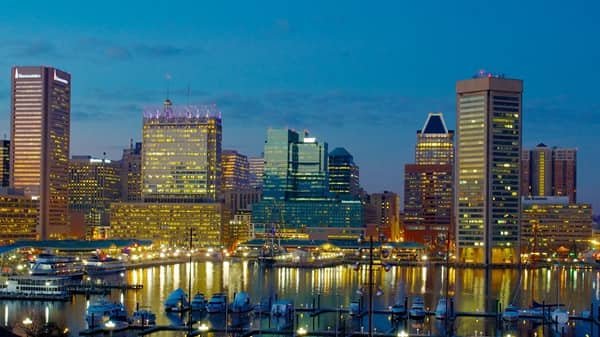
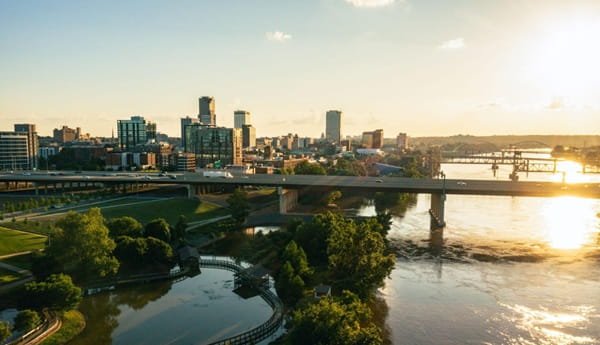
Rhode Island is known for Newport’s historic mansions, a long sailing tradition, Atlantic beaches, fresh seafood, Providence and compact coastal scenery. It is the smallest U.S. state by area, yet its bays, islands and deeply indented shoreline give the Ocean State an outsized maritime identity.
Because distances are short, Rhode Island is one of the easiest states to explore in a few days. Providence, Newport, South County and even Block Island can fit into one trip without marathon drives, though summer beach traffic and ferry schedules still deserve planning.
Rhode Island at a Glance
| Detail | Information |
| Location | New England on the Atlantic coast of the northeastern United States |
| Capital | Providence |
| Nickname | The Ocean State |
| Major visitor draws | Newport mansions, beaches, sailing, Providence, seafood, Block Island and colonial history |
1. Newport Mansions and Gilded Age History
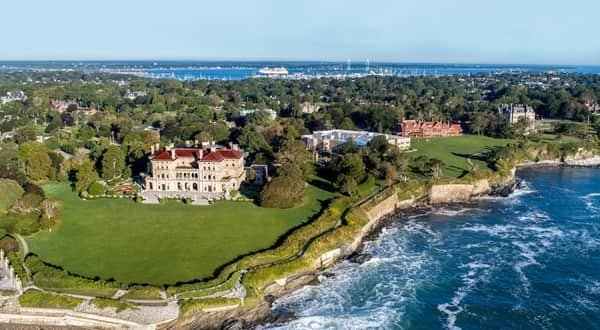
Newport became a summer playground for some of America’s wealthiest families during the late nineteenth and early twentieth centuries. Their enormous seaside residences now provide one of Rhode Island’s most distinctive visitor experiences. Touring more than one mansion helps show how architecture, technology and social expectations changed among elite families during the period.
- The Breakers: The best-known Vanderbilt mansion, designed on an extraordinary scale overlooking the Atlantic.
- Marble House: Another grand estate that reflects the competition and display of the Gilded Age.
- Cliff Walk: A public path combining ocean views with glimpses of historic estates along Newport’s eastern shore.
2. Sailing and Maritime Culture
Rhode Island’s protected bays, harbors and open Atlantic access have made sailing part of the state’s identity for generations. Newport’s association with the America’s Cup helped build its international reputation, but boating culture extends well beyond racing. Harbor cruises are useful even for non-sailors because they reveal forts, bridges and waterfront estates from the perspective that shaped the state’s history.
- Newport Harbor: Filled with sailing vessels, charter boats and waterfront activity during the warmer months.
- Narragansett Bay: Creates sheltered water for cruises, sailing and marine recreation across much of the state.
- Maritime skills: Museums, boatyards and restoration programs reflect the practical side of Rhode Island’s sailing culture.
3. Beaches and the South County Coast
Rhode Island’s southern coast offers sandy beaches, dunes, salt ponds and relaxed resort communities. State beaches range from broad family-friendly shores to areas better known for surf or fishing. Beach parking systems and access rules differ by town and state property, so check the exact beach rather than assuming one policy applies everywhere.
- Narragansett: A classic seaside town with a town beach, coastal architecture and easy access to Point Judith.
- Misquamicut: One of the state’s best-known long sandy beaches, popular during summer.
- Charlestown and East Beach: Offer quieter coastal landscapes and access to salt-pond environments.
4. Providence, Food and Creative Culture
Providence combines a compact historic core with universities, arts organizations and one of New England’s strongest small-city dining scenes. Italian-American food on Federal Hill is part of the story, but the city now supports a much broader range of cuisines. Providence’s universities also bring a large student population, lectures, galleries and performances that keep the city active beyond the summer tourism season.
- Federal Hill: Known for Italian restaurants, bakeries and neighborhood character.
- RISD Museum: Connects Providence with the Rhode Island School of Design and a strong visual-arts community.
- WaterFire: A recurring arts event that brings fire installations and crowds to the city’s rivers, on scheduled dates.
5. Block Island and Island Scenery
Block Island sits offshore and feels more remote than its short ferry journey suggests. Beaches, bluffs, cycling routes and a small-town atmosphere make it a strong contrast to Newport and Providence. The island’s limited road network can feel crowded on peak summer days, making an early ferry and realistic cycling plan worthwhile.
- Mohegan Bluffs: Dramatic coastal cliffs with broad Atlantic views.
- Old Harbor: The main arrival area, with shops, restaurants and access to nearby beaches.
- Getting around: Bicycles and mopeds are popular, but riders should be comfortable sharing narrow roads with traffic.
6. Seafood, Clam Cakes and Local Flavors
Rhode Island has its own food traditions shaped by coastal access and immigrant communities. Quahogs, clams and squid appear in local dishes, while some foods have a distinctly Rhode Island identity. Italian-American, Portuguese and Cape Verdean communities have also influenced the state’s food traditions in ways that go beyond seafood.
- Stuffies: Baked stuffed quahog clams, often seasoned with breadcrumbs and local flavorings.
- Clam cakes and chowder: A classic pairing at coastal stands, with Rhode Island-style chowder traditionally clear rather than creamy.
- Coffee milk: A sweet local drink made with coffee syrup and milk, strongly associated with the state.
7. Colonial and Industrial History
Rhode Island’s history includes religious dissent, colonial trade, seafaring and early industrialization. The state played a major role in the beginnings of America’s textile industry, particularly around the Blackstone River Valley. Industrial history is especially visible along the Blackstone River, where water power helped turn the region into an early manufacturing center.
- Slater Mill: A landmark of the early American Industrial Revolution in Pawtucket.
- Benefit Street: A Providence street lined with historic architecture from several periods.
- Newport’s colonial core: Historic houses and streets reveal a city that was important long before the Gilded Age.
8. A Small State That Is Easy to Combine
Rhode Island’s size is part of its travel appeal. Providence, coastal villages, historic sites and beaches are close enough that visitors can change scenery without spending hours on the road. That compactness also makes Rhode Island easy to combine with Boston or coastal Connecticut without treating the state as merely a stopover.
- Providence to Newport: A manageable drive for travelers who want city and coast in one day.
- Ferries: Seasonal and year-round services make some island and coastal routes possible without driving the whole way.
- Summer planning: Short distances do not eliminate congestion, especially near beaches and Newport on busy weekends.
Frequently Asked Questions
Q. Can I see most of Rhode Island in a long weekend?
You can see several major areas, such as Providence, Newport and part of the South County coast. Add Block Island only if ferry timing fits without making the trip feel rushed.
Q. Do I need a car in Rhode Island?
Not always. Providence is walkable in its central areas, and bus or ferry options connect some destinations. A car is still useful for beaches, smaller coastal towns and flexible day trips.
Q. Is Newport only about the mansions?
No. Newport also has colonial history, sailing, harbor cruises, beaches, restaurants and the Cliff Walk. The mansions are a major draw but not the whole experience.
Q. How do I reach Block Island?
Most visitors use ferry service from the mainland. Schedules vary by season and departure point, so check the operator’s current timetable before building a day trip around it.
Q. What Rhode Island food should a first-time visitor try?
Seafood is the obvious starting point, but look for local specialties such as stuffies, clam cakes, clear Rhode Island clam chowder and coffee milk for a more distinctive taste of the state.