Tennessee is known for country music, blues, the Great Smoky Mountains, whiskey-making traditions, barbecue, and some of the South’s most recognisable entertainment districts. Nashville and Memphis carry a large part of the state’s musical reputation, while the eastern mountains offer a completely different kind of trip built around forests, scenic roads, waterfalls, and Appalachian communities.
For visitors, Tennessee works best as a collection of distinct regions rather than one long list of attractions. A music-focused journey may centre on Nashville and Memphis, while an outdoor holiday may stay around Gatlinburg, Townsend, and the Smokies. Food, civil rights history, family attractions, and riverfront cities add further variety, so choosing two or three themes usually creates a more enjoyable first visit.
Tennessee at a Glance
| Detail | Information |
| Location | Southeastern United States |
| Capital | Nashville |
| Nickname | The Volunteer State |
| Major visitor draws | Music heritage, Great Smoky Mountains, whiskey, barbecue, history, and family attractions |
1. Nashville and Country Music
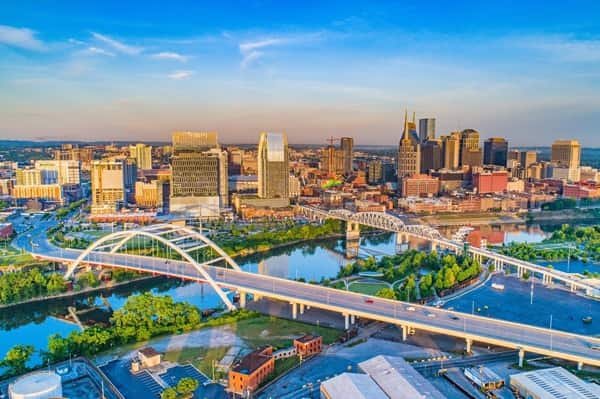
Nashville’s identity is closely tied to country music, but the experience is broader than neon signs and busy nightlife. Historic venues, museums, recording history, songwriter culture, and live stages make it possible to understand how the city became one of America’s major music centres.
- Grand Ole Opry: A long-running live country music show where line-ups change by performance date, making advance planning worthwhile.
- Country Music Hall of Fame and Museum: Uses recordings, costumes, instruments, and archival material to explore the development of country music.
- Lower Broadway: Known for honky-tonks and live music, especially in the evening; the atmosphere can be lively and crowded on weekends.
2. Memphis, Blues, Soul and Rock ‘n’ Roll
Memphis tells a different musical story. Blues traditions grew around Beale Street, soul music became closely associated with Stax, and early rock ‘n’ roll history is linked with Sun Studio. The city also connects music with the broader history of the Mississippi Delta and the American South.
- Beale Street: A historic entertainment district with live music venues, restaurants, and strong associations with Memphis blues.
- Sun Studio: Known for recording sessions connected with artists who helped shape early rock and rockabilly.
- Stax Museum of American Soul Music: Explores the artists, recordings, and cultural influence of Stax Records.
- Graceland: Elvis Presley’s former home remains one of the city’s best-known music attractions.
3. Great Smoky Mountains and Appalachian Scenery
Eastern Tennessee is famous for the Great Smoky Mountains, where forested ridges, historic valleys, wildlife, and hiking trails draw visitors away from the cities. Great Smoky Mountains National Park straddles Tennessee and North Carolina, so a trip can involve mountain roads that cross the state line without feeling like a separate journey.
- Cades Cove: An 11-mile one-way loop through a broad mountain valley with historic buildings, wildlife viewing opportunities, and trail access.
- Kuwohi: Formerly known as Clingmans Dome, this high-elevation area has a popular observation tower and wide mountain views when weather is clear.
- Gatlinburg and Townsend: Two Tennessee gateways to the park, with Gatlinburg offering more attractions and Townsend generally providing a quieter base.
4. Tennessee Whiskey and Distilling Traditions
Whiskey production is another strong part of Tennessee’s identity. Distilling has deep roots in the state, and modern visitors can learn about ingredients, barrel ageing, local history, and the legal standards associated with Tennessee whiskey through organised distillery tours.
- Lynchburg: Best known as the home of the Jack Daniel Distillery, with guided tour options that vary in content and age requirements.
- Middle Tennessee distilleries: Several towns around Nashville and the surrounding region offer distillery visits that can be combined with a road trip.
- Planning note: Tour places can fill on busy dates, and tasting experiences may have age restrictions, so check the operator before travelling.
5. Hot Chicken, Barbecue and Southern Food
Tennessee food changes noticeably from city to city. Nashville is strongly associated with hot chicken, while Memphis is famous for barbecue, particularly pork ribs and pulled pork. Across the state, visitors also encounter meat-and-three restaurants, biscuits, country ham, and regional desserts.
- Nashville hot chicken: Fried chicken served with a spice level that can range from mild warmth to intense heat.
- Memphis barbecue: Commonly features pork, with dry-rubbed ribs and slow-cooked shoulder among the best-known styles.
- Meat-and-three restaurants: A traditional Southern format in which diners choose a main dish and several vegetable or side dishes.
6. Dollywood, Pigeon Forge and Family Entertainment
The foothills near the Smokies have developed into one of Tennessee’s largest family-entertainment areas. Pigeon Forge and nearby Gatlinburg combine mountain scenery with theme parks, shows, museums, mini-golf, and other attractions, making the region useful for families who want more than hiking.
- Dollywood: A major theme park in Pigeon Forge combining rides, live entertainment, crafts, and Appalachian-inspired themes.
- Pigeon Forge Parkway: Lined with family attractions, theatres, restaurants, and shopping, with different experiences competing for a full day.
- Gatlinburg: Offers mountain-oriented attractions and direct access to the national park, making it easy to combine town time with outdoor sightseeing.
7. Civil Rights, Civil War and State History
Tennessee’s historic sites cover subjects far beyond music. The state saw major Civil War campaigns, played an important role in the civil rights movement, and preserves political, social, and cultural history through battlefields, museums, and historic homes.
- National Civil Rights Museum, Memphis: Located at the Lorraine Motel site and focused on the history of the civil rights movement in the United States.
- Shiloh National Military Park: Preserves the landscape of the 1862 Battle of Shiloh and provides trails, monuments, and interpretation.
- Stones River National Battlefield, Murfreesboro: Interprets a major Civil War battle fought near present-day Nashville.
8. Chattanooga, Rivers and Outdoor Adventures
Chattanooga adds another side to Tennessee with a riverfront setting, mountain viewpoints, museums, and outdoor recreation. Its position along the Tennessee River makes the city a practical stop between Nashville and the eastern mountain region.
- Tennessee Aquarium: A major downtown attraction with freshwater and marine exhibits close to the riverfront.
- Tennessee Riverwalk: A multi-use route that connects several parks and riverfront areas.
- Lookout Mountain area: Known for elevated views and popular attractions on and around the mountain; individual sites have separate tickets and operating schedules.
Frequently Asked Questions
Q. Can I visit Nashville, Memphis and the Great Smoky Mountains in one week?
It is possible, but the trip involves substantial driving. A workable plan gives about two days to Nashville, two to Memphis, and two or three to the Smokies. Travellers who prefer a slower pace may choose Nashville plus the mountains or Nashville plus Memphis.
Q. Do I need to rent a car in Tennessee?
A central Nashville stay can work without a car, and parts of Memphis can be managed with rideshares and local transport. A vehicle is far more useful for the Smokies, distilleries outside the cities, battlefields, and smaller towns.
Q. Does Great Smoky Mountains National Park charge an entrance fee?
The park does not charge a general entrance fee. However, vehicles parked inside the park for more than 15 minutes need a valid parking tag. Parking rules, road closures, and seasonal access can change, so check current National Park Service information before the visit.
Q. What is the best time of year for a Tennessee road trip?
Spring and autumn are popular because temperatures can be comfortable for city sightseeing and outdoor activities. Autumn colour in the mountains also brings heavy demand. Summer suits festivals and family attractions but can be hot and humid, while winter is quieter and some high-elevation mountain roads may close seasonally.
Q. Which Tennessee experiences are worth booking in advance?
Reserve important music performances, popular Dollywood dates, selected distillery tours, and high-demand accommodation when your schedule depends on them. Smokies campsites and some activities also need advance planning. For live music districts, individual bars may not require reservations, but headline shows often do.