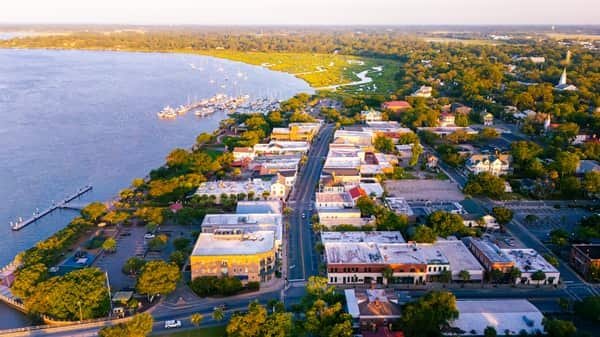
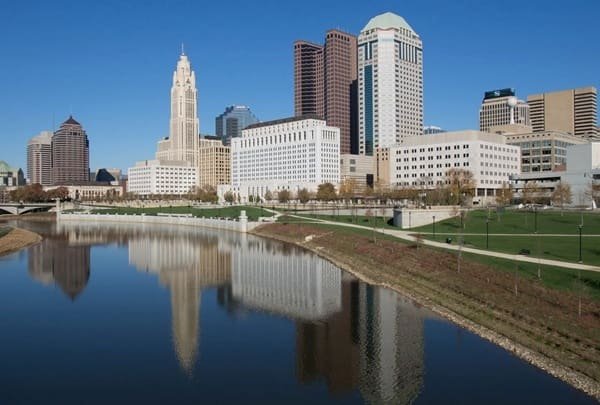
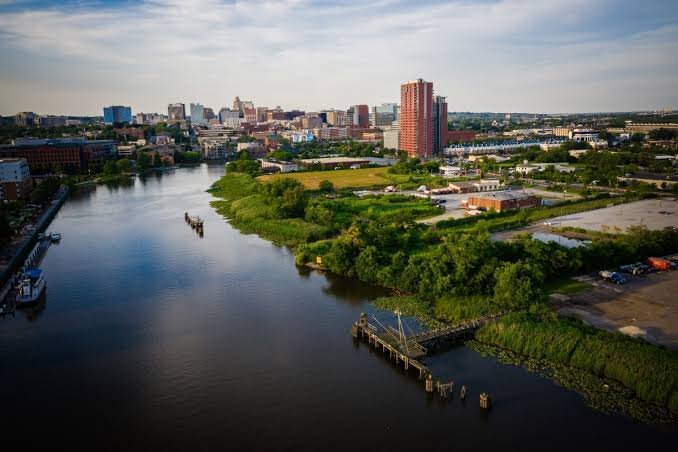
Maryland is known for the Chesapeake Bay, blue crabs, Baltimore, Annapolis, the U.S. Naval Academy, Atlantic beaches, Assateague’s wild horses, and important African American and Civil War history. Despite its modest size, the state stretches from ocean beaches and tidal marshes in the east to Appalachian mountains in the west, giving travellers unusually varied scenery within a relatively short distance.
For visitors, Maryland is easiest to understand by region. Baltimore and Annapolis suit urban and maritime sightseeing, the Eastern Shore focuses on water, wildlife, and small towns, Ocean City provides a classic beach holiday, and western Maryland offers lakes and mountains. Historical routes tied to Harriet Tubman and Antietam add depth to a trip that might otherwise seem mainly coastal.
| Detail | Information |
| Location | Mid-Atlantic region of the eastern United States |
| Capital | Annapolis |
| Nickname | The Old Line State |
| Major visitor draws | Chesapeake Bay, blue crabs, Baltimore, Annapolis, Assateague, Ocean City, and historic sites |
1. Chesapeake Bay and Blue Crabs
The Chesapeake Bay is central to Maryland’s geography, culture, and food. It shapes waterfront communities, boating traditions, wildlife habitats, and a seafood economy that has influenced the state’s identity for generations. For many visitors, eating steamed blue crabs or oysters beside the water is as memorable as visiting a formal attraction.
- Maryland blue crabs: Often served steamed with seasoning and eaten by hand, making the meal a social experience as much as a dish.
- Chesapeake waterfront towns: Places such as St. Michaels, Cambridge, and Havre de Grace offer different combinations of marinas, history, and seafood.
- Boating and sailing: Annapolis and many bay communities provide cruises, sailing experiences, fishing trips, and waterfront walks.
2. Baltimore and Its Waterfront Culture
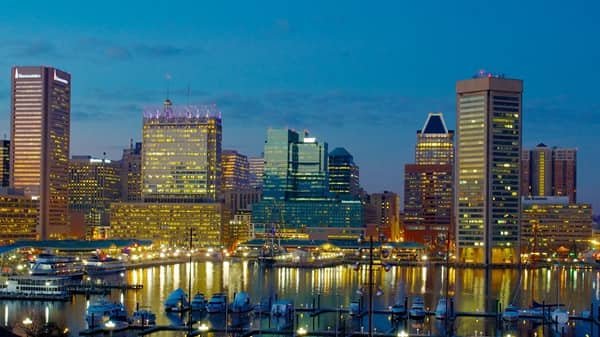
Baltimore is Maryland’s largest city and one of the state’s main cultural centres. Its harbour setting, historic neighbourhoods, museums, sports traditions, and food scene make it far more than a gateway to Washington, D.C. The Inner Harbor remains a familiar visitor district, but some of the city’s strongest character appears in neighbourhoods beyond it.
- Inner Harbor: A central waterfront area close to museums, promenades, and visitor services.
- Fort McHenry National Monument and Historic Shrine: The defence of the fort during the War of 1812 inspired the words that became the U.S. national anthem.
- Fells Point: A historic waterfront neighbourhood known for brick streets, restaurants, pubs, and maritime character.
3. Annapolis and the U.S. Naval Academy
Annapolis combines state-government history, sailing culture, and the U.S. Naval Academy within a compact historic centre. Brick streets, eighteenth-century buildings, City Dock, and the waterfront create a strong sense of place, while the Maryland State House adds national historical importance to the capital.
- Maryland State House: A prominent historic landmark in the centre of Annapolis and the meeting place of the Maryland legislature.
- S. Naval Academy: Offers visitor experiences and guided tours, subject to current security and identification rules.
- City Dock and Ego Alley: A lively waterfront area where boats, restaurants, and historic streets meet.
4. Assateague Island and Wild Horses
Assateague Island is one of Maryland’s most distinctive natural destinations. The barrier island combines Atlantic beaches, dunes, salt marshes, birdlife, and free-roaming wild horses. It feels very different from developed Ocean City even though the two destinations are relatively close on the map.
- Assateague Island National Seashore: Protects coastal habitat, beaches, wildlife, and recreation areas on the barrier island.
- Wild horses: National Park Service guidance requires visitors to stay at least 40 feet, roughly one bus length, from the horses.
- Camping and beach time: Popular in warmer months, but conditions can be windy, buggy, and exposed, so preparation matters.
5. Ocean City and the Atlantic Boardwalk
Ocean City is Maryland’s best-known traditional beach resort, with a long oceanfront, boardwalk entertainment, hotels, restaurants, rides, and water activities. It appeals particularly to families and groups looking for an active seaside holiday rather than the quieter natural setting of Assateague.
- Ocean City Boardwalk: Known for food stands, arcades, shops, rides, and a busy seaside atmosphere.
- Atlantic beach: The main draw for swimming, sunbathing, surfing, and other seasonal beach activities.
- Nearby Assateague: Easy to include in the same regional trip, but the developed resort and protected barrier island offer very different experiences.
6. Harriet Tubman and the Eastern Shore
Maryland’s Eastern Shore is central to the story of Harriet Tubman, who was born into slavery in Dorchester County and repeatedly returned to the region to help family members and others reach freedom. Today, preserved landscapes, visitor centres, and a scenic byway help travellers understand the geography that shaped her early life and Underground Railroad work.
- Harriet Tubman Underground Railroad Visitor Center: Provides exhibits, a film, and orientation to Tubman-related sites on the Eastern Shore.
- Harriet Tubman Underground Railroad Scenic Byway: Links historic landscapes and communities associated with Tubman and freedom seekers.
- Blackwater National Wildlife Refuge area: Preserves marshes and waterways similar to the landscapes Tubman knew, while also offering major wildlife-viewing opportunities.
7. Antietam and Civil War History
Maryland’s position between North and South made it strategically important during the Civil War. Antietam National Battlefield preserves the landscape of the Battle of Antietam, fought on September 17, 1862, near Sharpsburg. The battle became one of the defining events of the war and is interpreted through roads, trails, monuments, and visitor exhibits.
- Antietam National Battlefield: Preserves key areas including the Cornfield, Sunken Road, and Burnside Bridge.
- Sharpsburg: A small historic town beside the battlefield that adds context to the surrounding landscape.
- Monocacy National Battlefield: Near Frederick, this site interprets another important Civil War battle fought in Maryland.
8. Western Maryland, Deep Creek Lake and Mountain Scenery
Western Maryland provides the state’s strongest mountain scenery, with forested ridges, state parks, small towns, and four-season outdoor recreation. The journey west from the Chesapeake region also demonstrates how dramatically Maryland’s landscape changes over a few hours of driving.
- Deep Creek Lake: Maryland’s largest inland lake and a popular centre for boating, fishing, holiday homes, and seasonal recreation.
- Swallow Falls State Park: Known for forest trails and waterfalls, including Muddy Creek Falls.
- Mountain Maryland: Scenic roads and state parks provide a cooler, more rural alternative to the summer coast.
Frequently Asked Questions
Q. Are Ocean City and Assateague Island the same destination?
No. Ocean City is a developed beach resort with hotels, restaurants, a boardwalk, and entertainment. Assateague is a protected barrier island known for dunes, wildlife, camping, and wild horses. They are close enough to combine in one trip, but the atmosphere and visitor facilities are very different.
Q. How close can I get to the wild horses at Assateague?
National Park Service guidance says visitors should remain at least 40 feet, about one bus length, from the wild horses. Do not feed, touch, or encourage them to approach. Use a zoom lens for photographs and move away if a horse comes into your space.
Q. Do I need a car to travel around Maryland?
Baltimore and central Annapolis can be explored without a car for a short stay. A vehicle is much more useful for the Eastern Shore, Assateague, Antietam, Deep Creek Lake, and small Chesapeake towns, where attractions are spread across rural areas.
Q. When is the best time to visit Maryland?
Late spring and early autumn suit cities, historic sites, and outdoor travel. Summer is the main season for Ocean City, Assateague, and Chesapeake boating but brings larger crowds. Autumn is especially attractive in western Maryland.
Q. What Maryland experiences should I reserve ahead?
Book summer beach accommodation, popular Assateague campsites, selected Annapolis sailing trips, and major events early. For a U.S. Naval Academy visit, check current security and identification requirements before arrival. Historic-site tour schedules can also change seasonally.