Ohio is known for an unusual mix of music history, aviation, amusement parks, professional sport, Lake Erie scenery, and forested hill country. Cleveland attracts music fans to the Rock and Roll Hall of Fame, Dayton tells the story of the Wright brothers and American flight, Cedar Point draws roller-coaster enthusiasts, and Hocking Hills shows a quieter side of the state through cliffs, caves, and waterfalls.
The state is also easy to underestimate on a road map. Cleveland, Columbus, Cincinnati, Dayton, Amish Country, and the Lake Erie islands each offer a different kind of trip. Ohio works best when travellers build a route around one theme—cities and museums, family attractions, outdoor scenery, or heritage—then add nearby stops rather than zigzagging across the state every day.
| Detail | Information |
| Location | Midwestern United States, between Lake Erie and the Ohio River |
| Capital | Columbus |
| Nickname | The Buckeye State |
| Major visitor draws | Rock and Roll history, aviation, Lake Erie, amusement parks, Hocking Hills, Amish Country, and major cities |
1. Cleveland and Rock and Roll History
Cleveland’s best-known visitor attraction reflects the city’s connection with the growth of rock and roll radio, performance, and popular culture. The lakefront setting also places the museum near other downtown attractions, making music history easy to combine with sport, food, and waterfront time.
- Rock and Roll Hall of Fame: Displays instruments, costumes, recordings, and stories connected with influential performers and the evolution of popular music.
- Cleveland lakefront: Adds museums, stadiums, and views across Lake Erie within a relatively compact downtown area.
- Neighbourhood culture: Markets, restaurants, breweries, and arts districts give visitors reasons to explore beyond the headline museum.
2. Cedar Point, Lake Erie and Island Escapes
Northern Ohio’s Lake Erie shore adds beaches, boating, wildlife, islands, and one of the country’s best-known amusement parks. Summer is the busiest season, but spring bird migration and autumn lakeside trips give the region different personalities during the year.
- Cedar Point: A major amusement park in Sandusky known especially for roller coasters and a full-day family entertainment experience.
- Lake Erie islands: Ferry-access destinations such as South Bass Island provide boating, cycling, restaurants, and a holiday atmosphere.
- Lakefront nature: Beaches, marshes, lighthouses, and birding areas show a side of Ohio far removed from its large cities.
3. Hocking Hills and Sandstone Landscapes
Hocking Hills in south-eastern Ohio is one of the state’s strongest outdoor destinations. Forested trails lead through sandstone cliffs, recess caves, waterfalls, and narrow valleys. The landscape can feel surprisingly rugged, and popular trail areas can become crowded on fine weekends.
- Old Man’s Cave area: Known for rock walls, bridges, waterfalls, and connected trails through a dramatic gorge landscape.
- Ash Cave and Cedar Falls: Add different geological formations and short scenic walks that can be combined in a full day.
- Cabin country: The surrounding region is popular for cabins and nature stays, making an overnight visit more relaxing than a rushed drive from a distant city.
4. Dayton and the Story of Aviation
Ohio is closely associated with the Wright brothers, who developed and tested much of their early aviation work in Dayton. The city also hosts one of the world’s great military aviation museums, so travellers interested in aircraft can easily spend more than a day exploring the subject.
- Dayton Aviation Heritage sites: Connect the Wright brothers’ bicycle business, workshops, and early aviation story with the city where they lived and worked.
- National Museum of the U.S. Air Force: Displays aircraft from different eras of military and space history across vast indoor galleries.
- Aviation Trail: A wider collection of local sites helps enthusiasts turn Dayton into a focused heritage itinerary.
5. Amish Country and Rural Ohio
Holmes County and surrounding areas are known for one of the country’s largest Amish communities. Rolling farms, workshops, furniture makers, markets, and traditional food draw visitors, but the region is first of all a working community. Respectful travel is essential.
- Berlin and Millersburg: Popular bases for markets, craft shops, local food, and nearby country roads.
- Handmade products: Furniture, quilts, baked goods, cheeses, and other locally produced items are a major part of the visitor experience.
- Road etiquette: Drive carefully around horse-drawn buggies, avoid intrusive photography, and never treat private farms or homes as public attractions.
6. Cincinnati and the Ohio River
Cincinnati developed along the Ohio River and has a strong identity built from neighbourhoods, nineteenth-century architecture, museums, food, music, and professional sport. Its location on the Kentucky border also gives the wider metropolitan area a cross-river character.
- Over-the-Rhine: Known for historic buildings, restaurants, breweries, markets, and cultural venues close to downtown.
- National Underground Railroad Freedom Center: Uses Cincinnati’s river location to explore slavery, resistance, and the continuing history of freedom.
- Riverfront: Parks, stadiums, bridges, and walking areas create an easy introduction to the geography of the city.
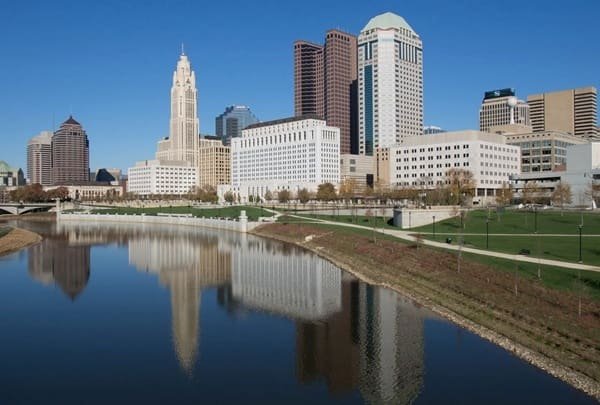
7. Columbus, Science and Urban Culture
Columbus, the state capital and largest city, combines university energy, arts districts, family attractions, and a growing food scene. It is less internationally famous than Cleveland or Cincinnati, but its central location makes it a practical stop on a wider Ohio itinerary.
- COSI: A major science centre with hands-on exhibits and family-focused learning experiences.
- Short North Arts District: Galleries, restaurants, shops, murals, and nightlife create a walkable cultural corridor.
- German Village: Brick streets and historic homes provide a quieter neighbourhood contrast to the downtown area.
8. Sports Heritage and Ohio Traditions
Sport is deeply woven into Ohio culture, from professional teams in Cleveland and Cincinnati to college football and the Pro Football Hall of Fame in Canton. Food traditions also reflect the state’s cities and immigrant history, giving road-trippers useful local stops between museums and parks.
- Pro Football Hall of Fame: Canton attracts fans interested in the history, players, and institutions of American professional football.
- College sport: Ohio State University in Columbus has one of the country’s most visible college football traditions, especially on autumn home-game weekends.
- Local tastes: Cincinnati chilli, Buckeye candies, Lake Erie fish, and regional markets provide easy introductions to Ohio food culture.
Frequently Asked Questions
Q. Can I see Cleveland, Columbus and Cincinnati in one trip?
Yes. A road trip linking the three cities is straightforward, but allow enough time for each rather than changing hotels every night. Adding Hocking Hills, Dayton, or Amish Country makes a week-long itinerary more comfortable.
Q. Do I need a car for Ohio?
A car is the most practical option for travelling between cities and for reaching Hocking Hills, Amish Country, Cedar Point, and Lake Erie islands’ ferry points. Within downtown areas, walking and local transport can reduce the need to drive.
Q. Is Ohio mainly a summer destination?
No. Summer is strong for Cedar Point, islands, and lake activities, autumn suits Hocking Hills and rural drives, and winter offers museums and city breaks. Some outdoor attractions and ferries reduce services seasonally, so check schedules.
Q. Which Ohio attractions suit families best?
Cedar Point, COSI, the Cleveland museums, Lake Erie islands, the National Museum of the U.S. Air Force, and easier Hocking Hills walks can all work well. Match the day to children’s ages and avoid overloading the schedule with long drives.
Q. What should I book in advance?
Amusement-park visits, popular cabin stays in Hocking Hills, special sports events, and peak-season island accommodation are the main items to secure early. Museums are often easier, but timed programmes and special exhibitions may still need reservations.