Kansas is known for the Great Plains, wheat fields, the Flint Hills, cowboy and frontier history, aviation, barbecue and the cultural image of ‘The Wizard of Oz.’ The state sits near the geographic heart of the country and is often crossed quickly on interstate highways, yet its landscapes and museums tell a much richer story. Tallgrass prairie, cattle towns, Indigenous history and major aerospace achievements all form part of Kansas identity.
Kansas is best explored by choosing a theme rather than expecting one dominant attraction. The Flint Hills reward travellers interested in prairie and scenic roads. Wichita is closely tied to aircraft manufacturing and has strong museums, while Dodge City interprets the cattle-drive era. Kansas City-area communities bring barbecue and sports into the picture, and western Kansas preserves fossil beds, frontier sites and open skies. The distances are long, but road travel is exactly how many of these stories connect. A flexible road-trip schedule helps because many of the state’s strongest experiences are small museums, scenic roads and historic places that reward unhurried stops rather than a packed attraction list.
Kansas at a Glance
| Detail | Information |
| Location | Central United States, Great Plains |
| Capital | Topeka |
| Nickname | The Sunflower State |
| Major visitor draws | Flint Hills, prairie scenery, aviation, Old West history, barbecue and road trips |
1. The Flint Hills and Tallgrass Prairie
The Flint Hills contain one of the largest remaining areas of tallgrass prairie in North America. Rather than dramatic peaks, the attraction is openness: rolling grasslands, broad horizons and seasonal changes in colour and wildflowers. Controlled burning is an important prairie-management practice and can temporarily change views or air conditions in spring, so local notices are worth checking.
- Tallgrass Prairie National Preserve: Protects prairie, historic ranch buildings and hiking trails.
- Flint Hills National Scenic Byway: Gives road travellers an accessible way to experience the landscape.
- Prairie weather: Wind, heat and storms can change quickly, so outdoor plans should remain flexible.
2. Wheat, Sunflowers and Agricultural Kansas
Agriculture remains central to Kansas life, especially wheat, cattle and other grain production. The sunflower became a state symbol because it thrives across the region, while grain elevators remain landmarks in many small towns.
- Harvest season: Rural landscapes change dramatically with planting and harvest cycles.
- Farm museums and fairs: Help explain technology, settlement and the evolution of prairie agriculture.
- Local food: Beef and wheat-based traditions appear in diners, bakeries and community events across the state.
3. Aviation and Wichita
Wichita has long been one of America’s important aircraft-manufacturing centres, earning a strong association with aviation. The industry shaped employment, engineering and the city’s twentieth-century growth. Aviation history is not only a museum subject here; aircraft manufacturing remains part of the regional economy and helps explain Wichita’s modern identity.
- Kansas Aviation Museum: Uses a historic airport terminal to interpret aviation and aircraft production.
- Exploration Place: Adds hands-on science and regional innovation exhibits for families.
- City experience: Old Town Wichita, museums and restaurants make it easier to turn an aviation stop into a broader city visit.
4. Dodge City and Old West History
Dodge City became famous during the cattle-drive era, when herds moved north from Texas to railheads in Kansas. Its reputation for saloons, lawmen and frontier conflict has been heavily mythologised, but museums help separate documented history from entertainment versions of the Old West.
- Boot Hill Museum: Recreates and interprets aspects of nineteenth-century Dodge City.
- Santa Fe Trail history: Connects the town with larger stories of trade, migration and conflict.
- Context: Indigenous displacement and changing railroad routes are important parts of the frontier story.
5. Kansas City Barbecue and Eastern Kansas
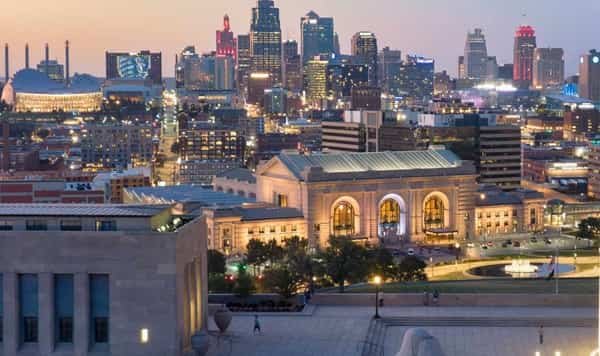
The Kansas side of the Kansas City metropolitan area shares in one of America’s best-known barbecue traditions. Slow-smoked meats, burnt ends and distinctive sauces are central to local food culture, though individual restaurants vary widely in style.
- Kansas City, Kansas: Offers long-established barbecue restaurants as well as newer neighbourhood dining.
- Sports: Major professional venues in the metropolitan area can shape weekend traffic and hotel demand.
- River history: The Missouri and Kansas rivers influenced trade and settlement across the region.
6. The Wizard of Oz Connection
Kansas is permanently linked in popular culture with Dorothy’s home in L. Frank Baum’s ‘The Wonderful Wizard of Oz.’ The original story is fictional, but the association has become a tourism theme and a shorthand for Kansas prairie imagery.
- Liberal: Home to Dorothy-themed attractions that play directly on the Oz connection.
- Wamego: Another town that embraces Oz through a museum and themed businesses.
- Expectation: These are playful cultural stops rather than historical sites connected to the author’s life.
7. Fossils, Chalk Formations and Western Kansas
Western Kansas has striking geological landscapes that challenge the idea that the state is visually uniform. Chalk formations, fossil sites and open prairie reveal a region once covered by an inland sea. These sites are exposed to wind, heat and storms, and some approach roads are unpaved, making weather checks important before leaving the highway.
- Monument Rocks: Dramatic chalk formations rise from the plains in western Kansas.
- Sternberg Museum area: Fossils and prehistoric sea life help explain the region’s geological past.
- Remote travel: Fuel, road conditions and weather deserve attention because attractions can be far apart.
8. Brown v. Board and Civil Rights History
Topeka is central to the history of school desegregation through Brown v. Board of Education, the 1954 Supreme Court decision that declared state laws establishing segregated public schools unconstitutional. The national historic site gives this constitutional history a physical setting. The site is valuable because it connects a national legal decision to the everyday experience of children, families and schools affected by segregation.
- Monroe Elementary School: Preserved as part of the Brown v. Board of Education National Historical Park.
- Exhibits: Explain segregation, legal strategy and the wider civil-rights struggle.
- State Capitol: Nearby, visitors can add Kansas political history to a Topeka itinerary.
Frequently Asked Questions
Q. Is Kansas completely flat?
No. Much of Kansas is open prairie, but the Flint Hills are rolling, western Kansas has bluffs and chalk formations, and river valleys create additional variation.
Q. What is the best way to experience the Flint Hills?
A scenic drive combined with a short hike is a good introduction. Tallgrass Prairie National Preserve adds interpretation and lets visitors experience the prairie away from the road.
Q. Is Dodge City mainly a tourist recreation?
The city uses entertainment to present the Old West, but its cattle-drive and rail history is real. Museums are most useful when visitors also pay attention to Indigenous history, migration and the economic role of the railroads.
Q. Do I need a car in Kansas?
For a statewide visit, yes. Wichita and Kansas City have urban transport options, but many signature attractions are separated by long rural drives.
Q. When should I be cautious about Kansas weather?
Severe thunderstorms and tornadoes are possible, especially in spring and early summer, while summers can be very hot and winters cold. Check forecasts before long rural drives or exposed prairie hikes.