New Jersey is known for the Jersey Shore, lively boardwalks, Atlantic City, Cape May’s Victorian streets, and its position between New York City and Philadelphia. But the Garden State label also makes sense once travellers leave the major highways. Pine forests, wetlands, farms, lakes, historic towns, and the Delaware Water Gap provide a greener picture than the state’s dense metropolitan reputation suggests.
For visitors, New Jersey works particularly well as a collection of short trips. A shore weekend, a Cape May stay, a northern hiking break, or a museum day near New York City can each feel completely different. Driving is useful for many routes, but rail links make some urban and coastal destinations practical without a car. Summer planning matters most because popular beaches and shore towns can become very busy.
| Detail | Information |
| Location | Mid-Atlantic United States, between New York City, Philadelphia, the Atlantic Ocean, and Delaware River |
| Capital | Trenton |
| Nickname | The Garden State |
| Major visitor draws | Jersey Shore beaches, Atlantic City, Cape May, boardwalks, Liberty State Park, historic towns, and natural areas |
1. The Jersey Shore and Beach Culture
The Jersey Shore stretches for many miles and contains resort towns with very different personalities. Some are family-focused, some are famous for nightlife, and others preserve quieter residential beaches. Boardwalks, amusement rides, arcades, seafood, and long summer days beside the Atlantic remain central to the state’s image.
- Ocean City: Known for a family-oriented boardwalk, beaches, rides, and a traditional seaside holiday atmosphere.
- Asbury Park: Combines beach time with music history, restaurants, murals, and a revived boardwalk scene.
- Long Beach Island and other barrier-island towns: Offer beach houses, local shops, and a slower coastal rhythm away from the largest boardwalk resorts.
2. Atlantic City and the Boardwalk
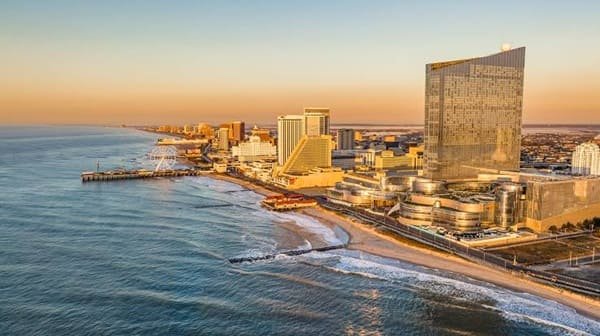
Atlantic City is one of New Jersey’s best-known resort cities. Casinos are a major draw, but the historic Boardwalk, beach, entertainment venues, restaurants, and outlet shopping mean the city is not limited to gambling. Visitors should choose accommodation according to the experience they want, because the resort area changes character from block to block.
- Atlantic City Boardwalk: A long seaside promenade associated with resort history, food stands, shopping, and ocean views.
- Casinos and entertainment: Large resorts offer gaming, concerts, restaurants, spas, and nightlife under one roof.
- Beach access: The city also has an Atlantic beach, allowing a daytime seaside visit to be paired with evening entertainment.
3. Cape May and Victorian Architecture
Cape May, at the southern tip of the state, is one of New Jersey’s most distinctive towns. It is known for a large collection of preserved Victorian buildings, bed-and-breakfast inns, beaches, restaurants, and a walkable historic centre. The atmosphere is more architectural and relaxed than the casino resort farther north.
- Historic district: Colourful nineteenth-century houses and hotels make walking or a guided architectural tour especially rewarding.
- Cape May Lighthouse and nature areas: Coastal trails and birding sites add outdoor interest beyond the beach.
- Food and local wine: Restaurants, farms, and nearby wineries make the town suitable for a weekend outside peak summer beach season.
4. Liberty State Park and New York Harbour Views
Northern New Jersey provides some of the best views of the Manhattan skyline, the Statue of Liberty, and Ellis Island. Liberty State Park in Jersey City places these views within a large waterfront green space and connects easily with nearby urban attractions.
- Liberty Walk: A waterfront promenade with wide harbour views and strong photography opportunities at different times of day.
- Liberty Science Center: A major family attraction beside the park, useful when weather makes outdoor sightseeing less appealing.
- Ferry connections: Harbour services can provide access towards the Statue of Liberty and Ellis Island; verify current departure points and ticket arrangements before travel.
5. Pine Barrens and the Natural Side of New Jersey
The Pine Barrens cover a large area of southern New Jersey with pine forests, wetlands, rivers, and distinctive plant and wildlife habitats. This landscape challenges the assumption that the state is entirely urban or suburban and offers paddling, hiking, camping, and quiet roads.
- Wharton State Forest: One of the main protected areas for trails, rivers, historic sites, and camping within the Pinelands.
- Paddling: Tea-coloured rivers through cedar and pine forests are popular with canoeists and kayakers.
- Pinelands heritage: Small towns, historic industries, and local folklore add cultural interest to a nature-focused trip.
6. Delaware Water Gap and North-Western New Jersey
The Delaware Water Gap region provides mountains, river scenery, hiking, and outdoor recreation along the Pennsylvania border. It is one of the easiest places to see New Jersey’s Appalachian landscape and works particularly well as an autumn or spring weekend escape.
- Mount Tammany: A popular but demanding hike with broad views across the Delaware River and surrounding ridges.
- River recreation: Kayaking, canoeing, fishing, and riverside picnics are central to the recreation area in suitable conditions.
- Scenic drives: Rural roads, forests, farms, and small communities provide a quieter alternative to the busy north-eastern corridor.
7. Boardwalk Food and New Jersey Flavours
New Jersey food culture reflects the shore, Italian American communities, diners, farms, and its position between two major metropolitan regions. Some foods inspire strong local arguments about names and preparation, which is part of the fun for visitors.
- Boardwalk favourites: Pizza, salt-water taffy, frozen custard, and fried snacks remain part of the classic shore experience.
- Taylor ham or pork roll: A famous breakfast-meat debate that changes terminology depending on where you are in the state.
- Diners and farm produce: New Jersey has a strong diner tradition as well as seasonal tomatoes, corn, blueberries, and other produce that support the Garden State image.
8. Revolutionary History, Princeton and Small Towns
New Jersey played an important role in the American Revolution, and historic battlefields, preserved towns, and museums appear throughout the state. Princeton adds university architecture and a walkable centre, while towns along the Delaware River offer galleries, cafés, and nineteenth-century streets.
- Princeton: The university campus and surrounding town create an easy cultural day trip with museums, architecture, and restaurants.
- Revolutionary War sites: Trenton, Princeton, and Morristown preserve places linked with major campaigns and military encampments.
- Delaware River towns: Communities such as Lambertville combine historic buildings, independent shops, and riverside scenery.
Frequently Asked Questions
Q. Do New Jersey beaches charge an entry fee?
Some shore towns use seasonal beach tags or badges, while others provide free access. Rules vary by municipality and sometimes by age or time of year, so check the specific beach rather than assuming one statewide policy.
Q. Can I visit New Jersey without renting a car?
Yes for some trips. Rail and bus links serve many towns, and the north-east is well connected with New York City. A car is more useful for the Pine Barrens, Delaware Water Gap, smaller shore communities, and multi-stop coastal routes.
Q. When is the best time for the Jersey Shore?
Summer offers the fullest boardwalk and beach atmosphere but also the largest crowds and highest accommodation demand. Late spring and early autumn can be calmer, though water temperatures and seasonal business hours may differ.
Q. Is Cape May worth visiting outside summer?
Yes. Its architecture, restaurants, shops, birding, and historic character make it a year-round destination, although some attractions and beach-focused businesses reduce hours in quieter months.
Q. What should I reserve early in New Jersey?
Peak-summer shore hotels and rentals, popular Cape May accommodation, holiday weekends, concerts, and special events are the main priorities. For beach days, also research parking and local beach-tag rules before arrival.