Alabama is known for pivotal Civil Rights history, Huntsville’s space programme connections, the Muscle Shoals sound, passionate college football, and white-sand beaches on the Gulf Coast. These identities can seem unrelated at first, but together they show how varied the state is: a journey can move from landmark churches and museums to recording studios, mountain trails, rocket exhibits, and coastal seafood within a few days.
The best way to visit Alabama is to treat its regions as distinct. Birmingham, Montgomery, and Selma carry nationally important historical stories; Huntsville and the Shoals define much of northern Alabama’s modern identity; and Mobile, Gulf Shores, and Orange Beach bring a coastal culture that feels different again. A thoughtful itinerary leaves enough time to understand each place rather than simply collecting landmarks.
Alabama Quick Info
| Detail | Information |
| Location | Southeastern United States, with a short Gulf of Mexico coastline |
| Capital | Montgomery |
| Nickname | The Yellowhammer State |
| Major visitor draws | Civil Rights history, space exploration, Muscle Shoals music, Gulf Coast beaches, Mobile Carnival traditions, college football, and Southern landscapes |
1. Civil Rights History in Birmingham, Montgomery and Selma
Alabama was at the centre of many defining events of the modern Civil Rights Movement. Museums, churches, memorials, and preserved sites document the Montgomery Bus Boycott, the Birmingham campaign, Freedom Rides, school integration, and the voting-rights marches from Selma.
- Birmingham Civil Rights District: Sites including the Birmingham Civil Rights Institute and 16th Street Baptist Church help visitors understand the city’s role in the movement.
- Montgomery: The Rosa Parks Museum, Freedom Rides Museum, Legacy Sites, and other institutions connect local events with the wider struggle for civil rights.
- Selma to Montgomery: The Edmund Pettus Bridge and the national historic trail preserve the route associated with the 1965 voting-rights marches.
2. Huntsville and Space Exploration
Huntsville is known as the Rocket City because of its long association with missile development and the American space programme. The U.S. Space & Rocket Center is the most visible visitor attraction, combining large rockets, spacecraft, exhibits, and the story of engineering work carried out in the region.
- S. Space & Rocket Center: Displays include major rocket hardware and exhibits connected with human spaceflight, making it one of Alabama’s strongest family and science attractions.
- Marshall Space Flight Center story: Huntsville’s aerospace identity is tied to NASA’s Marshall centre and decades of propulsion and spaceflight research.
- Allow several hours: The scale of the museum means a rushed stop can miss much of the context behind the hardware.
3. The Muscle Shoals Sound and Alabama Music
Northwestern Alabama played an outsized role in American popular music. FAME Recording Studios in Muscle Shoals and Muscle Shoals Sound Studio in nearby Sheffield attracted major soul, rock, country, and R&B artists, helped by highly regarded local session musicians.
- FAME Recording Studios: Still associated with the sound developed around producer Rick Hall and recordings by major artists.
- Muscle Shoals Sound Studio: The historic studio in Sheffield is linked with the Swampers rhythm section and recordings across several genres.
- Florence and Tuscumbia: Nearby attractions include the W.C. Handy Birthplace and the Alabama Music Hall of Fame, making the Shoals a broader music-history destination.
4. Gulf Shores, Orange Beach and Coastal Alabama
Alabama has only a relatively short Gulf coastline, but it contains some of the state’s most popular holiday destinations. Gulf Shores and Orange Beach are known for broad white-sand beaches, warm Gulf water, fishing, boating, seafood, and family attractions.
- Gulf State Park: Trails, beaches, lakes, and natural areas offer an alternative to spending the whole visit at a resort.
- Fishing and boating: Inshore and offshore trips are important parts of the local tourism economy, with conditions changing by season.
- Coastal weather: Summer heat, thunderstorms, rip currents, and tropical weather all deserve attention when planning beach days.
5. Mobile and Carnival Traditions
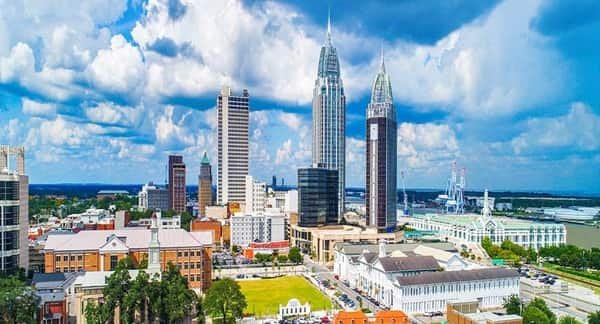
Mobile has one of the oldest organised Carnival traditions in the United States. Parades, masked societies, balls, costumes, and public celebrations build through the season before Mardi Gras.
- Mobile Carnival Museum: Explains the city’s Carnival history through costumes, floats, and traditions that are difficult to understand from parade photographs alone.
- Historic districts: Architecture and shaded streets reveal the city’s French, Spanish, British, African American, and American layers.
- USS Alabama Battleship Memorial Park: Across the bay, the military-history attraction adds a very different experience to a Mobile stay.
6. College Football and Game-Day Culture
College football has an unusually strong place in Alabama’s identity. The rivalry between the University of Alabama and Auburn University attracts attention far beyond the state, while game days reshape Tuscaloosa and Auburn with tailgating, marching bands, packed streets, and stadium crowds.
- Tuscaloosa: Bryant-Denny Stadium and the University of Alabama campus become the focus of major home-game weekends.
- Auburn: Jordan-Hare Stadium and the surrounding university district create a similarly intense game-day atmosphere.
- Plan accommodation early: Hotels and traffic can be dramatically affected on major football weekends, even for travellers who are not attending the game.
7. Mountains, Canyons and Waterfalls
Alabama’s natural scenery is more varied than its Deep South image suggests. The southern Appalachian foothills reach into the northeast, while rivers, lakes, caves, canyons, and forested ridges provide extensive outdoor recreation.
- Little River Canyon: A dramatic canyon landscape near Fort Payne with overlooks, waterfalls, and hiking opportunities.
- Cheaha State Park: Home to the highest natural point in Alabama and broad views across the surrounding hills.
- Bankhead National Forest: Known for forest, streams, waterfalls, and the Sipsey Wilderness in north-central Alabama.
8. Barbecue, Seafood and Alabama Food Traditions
Alabama food changes by region. Inland barbecue is associated with slow-smoked pork, ribs, and chicken, while northern Alabama is particularly known for white barbecue sauce.
- North Alabama white sauce: A tangy mayonnaise-based barbecue sauce most closely associated with smoked chicken, though variations appear across the region.
- Gulf seafood: Coastal restaurants draw heavily on shrimp, oysters, and fish, with availability and sourcing changing through the year.
- Local institutions: Long-running diners, barbecue restaurants, and bakeries often provide a better sense of regional food than generic highway stops.
Frequently Asked Questions
Q. How many days should I allow for an Alabama Civil Rights trip?
Three to four days allows a more meaningful route through Birmingham, Montgomery, and Selma without treating the sites as quick photo stops. Travellers interested in museums in depth may want longer because several institutions can take hours to explore.
Q. Can I tour Alabama without a car?
Public transport can help within individual cities, but a car is the most practical way to connect Birmingham, Montgomery, Selma, Huntsville, the Shoals, and the Gulf Coast. Many historic and natural sites are outside walkable city centres.
Q. What weather risks should visitors plan for?
Alabama can experience severe thunderstorms and tornadoes, particularly during active spring weather, while the Gulf Coast also faces tropical storms and hurricanes. Check official forecasts, know where to shelter, and avoid treating weather alerts as routine background information.
Q. Is the Gulf Coast suitable for a trip outside summer?
Yes. Spring and autumn can offer warm conditions with less intense heat, while winter is quieter and cooler.
Q. Which Alabama attractions are worth booking ahead?
Reserve accommodation for major football weekends, popular Gulf Coast holidays, and busy Carnival periods. Guided recording-studio tours, selected space-centre experiences, and special exhibitions can also have limited capacity, so check schedules before building a day’s route around them.