Hawaii is known for volcanic islands, warm Pacific beaches, surfing, hula, Native Hawaiian culture, tropical scenery and a distinctive sense of place shaped by the ocean. Each major island has a different character, from Oahu’s urban energy and historic sites to the active volcanic landscapes of Hawaii Island and the dramatic valleys of Kauai.
A good Hawaii trip goes beyond resort beaches. Visitors gain much more by learning local history, respecting Native Hawaiian cultural practices, trying regional food and choosing experiences that fit one island rather than rushing through several. Island distances may look small on a map, but inter-island travel still takes planning.
| Detail | Information |
| Location | Central Pacific Ocean, southwest of the continental United States |
| Capital | Honolulu |
| Nickname | The Aloha State |
| Major visitor draws | Volcanoes, beaches, Native Hawaiian culture, surfing, tropical landscapes, Pearl Harbor and island food |
1. Volcanoes and Living Geology
Hawaii exists because of volcanic activity, and geology remains one of the clearest ways to understand the islands. Lava fields, craters, sea cliffs and young volcanic landscapes show how the archipelago formed and continues to change. The islands sit over a volcanic hotspot, which helps explain why older islands are generally more eroded while Hawaii Island remains geologically young and active.
- Hawaii Volcanoes National Park: Protects Kilauea and Mauna Loa landscapes on Hawaii Island, with trails, overlooks and volcanic features.
- Haleakala: Maui’s massive shield volcano creates a high-elevation landscape very different from the tropical coast below.
- Respect closures: Volcanic areas can change quickly, so follow park alerts and never cross barriers around unstable terrain.
2. Beaches, Surfing and Ocean Culture
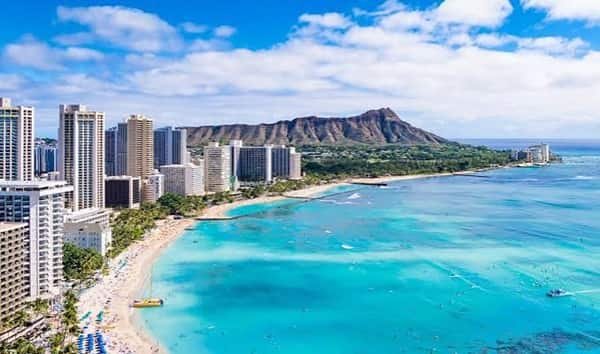
Hawaii’s beaches range from broad resort sands to small coves, lava-rock shorelines and beaches colored by volcanic minerals. Surfing developed in Polynesia and holds deep cultural meaning in Hawaii; today it is both a local tradition and an international sport. Ocean conditions vary by island, exposure and season, so a beach that is calm one week may be unsuitable for swimming at another time of year.
- Waikiki: One of the world’s best-known beach districts and an accessible place to see surf culture in Honolulu.
- North Shore, Oahu: Famous for powerful winter surf and major competitions; conditions can be unsuitable for casual swimming.
- Beach safety: Pay attention to lifeguards, warning signs, currents and changing surf rather than assuming every beach is calm.
3. Native Hawaiian Culture, Hula and Aloha
Hawaii’s identity cannot be understood through scenery alone. Native Hawaiian language, genealogy, hula, chant, navigation traditions and the concept of caring for the land are central to the islands’ cultural life. Visitors should approach these traditions as living culture, not as resort decoration. Cultural programs led by knowledgeable local practitioners can give visitors a much better understanding than short commercial performances alone.
- Hula: A storytelling art that connects movement with chant, music, history and place.
- Olelo Hawaii: The Hawaiian language appears widely in place names and cultural programs and has undergone major revitalization.
- Malama: The idea of caring for and protecting a place is increasingly emphasized in responsible visitor experiences.
4. Honolulu, Waikiki and Pearl Harbor
Honolulu is the state capital and Hawaii’s largest urban center, combining beaches, museums, historic buildings, neighborhoods and major cultural institutions. Nearby Pearl Harbor places the islands within the wider history of the Second World War and U.S. military presence in the Pacific. Honolulu also rewards time away from Waikiki, with Chinatown, Kakaako and residential neighborhoods showing a broader picture of modern island life.
- Iolani Palace: The only royal palace in the United States and an important site for understanding the Hawaiian Kingdom.
- Pearl Harbor National Memorial: Interprets the December 7, 1941 attack and its consequences.
- Bishop Museum: A major place to learn about Hawaiian and Pacific history, culture and natural science.
5. Distinct Islands and Different Travel Experiences
Hawaii is a state of islands rather than one uniform destination. Oahu, Maui, Hawaii Island and Kauai each offer very different combinations of cities, beaches, mountains, agriculture and outdoor activities. Choosing the right island often matters more than trying to see the greatest number of islands.
- Oahu: Best for combining urban attractions, beaches, history, food and public transport options.
- Maui: Known for resort areas, the Road to Hana, Haleakala and varied coastal scenery.
- Kauai and Hawaii Island: Kauai emphasizes lush valleys and cliffs, while Hawaii Island offers the broadest volcanic landscapes and climate variety.
6. Waterfalls, Valleys and Tropical Landscapes
Trade winds, high mountains and rainfall create some of Hawaii’s most recognizable scenery. Lush valleys and waterfalls are especially prominent on windward sides of the islands, while leeward coasts can be much drier. That contrast can be dramatic within a short distance.
- Na Pali Coast: Kauai’s steep coastal cliffs are seen from trails, boats and scenic flights, depending on conditions.
- Road to Hana: A famous Maui drive with rainforest scenery, bridges and waterfalls; the route rewards patience rather than speed.
- Waipio and other valleys: Access rules can change, so check current local guidance before planning a visit.
7. Local Food and Multicultural Influences
Hawaii’s food reflects Native Hawaiian traditions alongside generations of Japanese, Chinese, Filipino, Portuguese, Korean and other communities. Plantation-era migration helped create a local cuisine that does not fit neatly into one category.
- Poke: Cubed seasoned fish, now widely known outside Hawaii but deeply rooted in local food culture.
- Plate lunch: Often combines rice, macaroni salad and an entree such as kalbi, teriyaki or local-style meats.
- Regional agriculture: Kona coffee, tropical fruit, taro and locally grown produce connect food with the islands’ varied climates.
8. Marine Life, Snorkeling and Conservation
Coral reefs, sea turtles, tropical fish, whales and other marine species make ocean experiences a major part of Hawaii travel. These ecosystems are fragile, so responsible behavior matters as much as finding a beautiful beach.
- Snorkeling: Choose conditions and locations suitable for your ability, and avoid standing on or touching coral.
- Humpback whales: Seasonal migration brings whales to Hawaiian waters, especially during winter months.
- Wildlife distance: Give turtles, monk seals and other animals space and follow posted rules or ranger guidance.
Frequently Asked Questions
Q. Should I visit more than one Hawaiian island on a first trip?
Not necessarily. A week on one island can provide beaches, culture, food and outdoor experiences without losing time to airport transfers. Add another island only if its attractions are genuinely different from what you want on the first.
Q. Can I travel between all the islands by ferry?
No. Inter-island air travel is the main way visitors move between most major islands. Ferry service is limited, so check the current transport options for the exact islands you plan to combine.
Q. Do I need a rental car in Hawaii?
It depends on the island and itinerary. Oahu can be explored partly by bus, rideshare and tours, especially around Honolulu. On Maui, Kauai and Hawaii Island, a car is usually much more useful for reaching dispersed attractions.
Q. How can visitors be respectful of Hawaiian culture?
Learn correct place names where possible, obey access restrictions, avoid treating sacred or culturally important sites as props, support local businesses and cultural programs, and follow guidance about protecting land and ocean areas.
Q. Is every Hawaii beach safe for swimming?
No. Shore break, currents, reefs and seasonal surf can make a beautiful beach dangerous. Swim at lifeguarded beaches when possible and follow posted warnings, especially during large winter surf on north-facing shores.
One thought on “What Is Hawaii Known for as a State?”