Vermont is known for brilliant fall foliage, maple syrup, skiing, covered bridges, dairy farms, small villages and the Green Mountains. Its landscape is rural by northeastern U.S. standards, with compact towns separated by forests, farmland and mountain roads rather than large metropolitan areas.
The state changes strongly with the seasons. Autumn brings famous color, winter shifts attention to ski towns, spring is maple-sugaring time and summer favors lakes, hiking and farm visits. That seasonal rhythm is one of the clearest reasons Vermont feels distinctive.
Vermont at a Glance
| Detail | Information |
| Location | New England in the northeastern United States |
| Capital | Montpelier |
| Nickname | The Green Mountain State |
| Major visitor draws | Fall foliage, maple syrup, skiing, covered bridges, small towns, dairy farms and Green Mountains |
1. Fall Foliage in the Green Mountains
Vermont’s autumn color is its best-known seasonal attraction. Sugar maples, beech, birch and other hardwoods turn hillsides red, orange and gold, while farms and villages create the classic New England scenery many visitors expect. Scenic roads are busiest during peak weekends, so early starts and stays of several nights work better than trying to chase color from town to town.
- Route 100: A famous north-south road through mountain valleys, ski towns and rural communities.
- Northeast Kingdom: Known for quieter roads, forests and a more remote feeling than central Vermont.
- Peak timing: Color changes from north and high elevations toward lower and southern areas, so current reports matter.
2. Maple Syrup and Sugaring Season
Vermont is closely identified with maple syrup and remains the leading U.S. producer. The process begins in late winter and early spring when sap runs through sugar maples and is boiled down in sugarhouses. Warm days and freezing nights are important for sap flow, which is why climate and yearly weather patterns directly affect the season.
- Sugarhouses: Many family producers open for tastings or demonstrations during the season.
- Maple products: Syrup appears in candy, cream, baked goods and savory dishes across the state.
- Working farms: Visitor experiences vary, so confirm hours before driving to small rural operations.
3. Skiing and Winter Mountain Towns
The Green Mountains give Vermont some of the Northeast’s best-known ski areas. Ski culture shapes towns, restaurants and lodging through winter, while many resorts now operate mountain biking, hiking and events outside snow season. Snowfall can vary sharply between valleys and higher terrain, so resort conditions may be much better than roads or lawns in nearby towns suggest.
- Stowe: Combines a historic village with a major mountain resort and access to Mount Mansfield.
- Killington: One of the largest ski destinations in the eastern United States.
- Jay Peak and Sugarbush: Add different terrain and regional character in northern and central Vermont.
4. Covered Bridges and Village Scenery
Covered bridges are part of Vermont’s postcard image, but they also reflect practical nineteenth-century engineering. Small villages with church steeples, general stores and preserved houses often sit close to these bridges, creating a strong sense of continuity in the landscape. These bridges were covered mainly to protect wooden structural timbers from weather, helping them last far longer than exposed wooden bridges.
- Woodstock: A polished historic village with nearby farms, trails and covered bridges.
- Montgomery: Known for a concentration of historic covered bridges in northern Vermont.
- Bridge care: Many structures are narrow or have weight limits, so drivers should follow posted rules carefully.
5. Dairy Farms, Cheese and Local Food
Vermont’s food identity reaches beyond maple syrup. Dairy farming, cheesemaking, orchards, craft beer and farm-to-table restaurants connect tourism with the state’s agricultural traditions. Farmers’ markets and cooperative stores make it easy to try local cheese, bread, vegetables and maple products without arranging a formal farm tour.
- Vermont cheddar: Produced by several established creameries and farmstead cheesemakers.
- Farm visits: Working farms and agricultural museums help explain how rural life has changed over time.
- Apples and cider: Orchard visits become especially popular during autumn harvest season.
6. Burlington and Lake Champlain
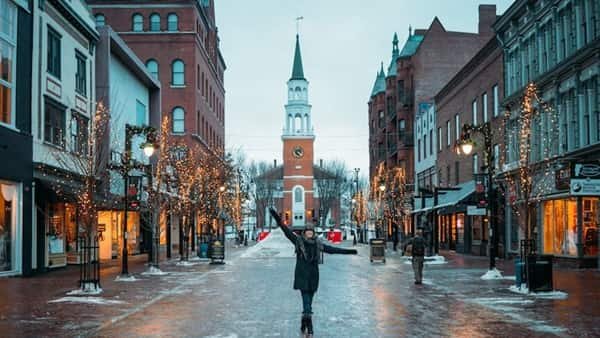
Burlington is Vermont’s largest city, but it retains a small scale. Its location on Lake Champlain adds waterfront recreation to a state usually associated with mountains and farms. The waterfront bike path extends the city’s outdoor character and makes Burlington a convenient base for travelers who want culture and recreation together.
- Church Street Marketplace: A pedestrian shopping and dining district in central Burlington.
- Waterfront Park: Provides lake views, cycling access and seasonal events.
- Lake Champlain: Supports boating and beaches, with the Adirondack Mountains visible across the water on clear days.
7. Hiking and the Long Trail
Vermont’s Green Mountains support a strong hiking culture. The Long Trail runs the length of the state and inspired the later Appalachian Trail, sharing portions of its route through southern and central Vermont. The Long Trail is rugged in places despite Vermont’s modest elevations, and wet roots, rocks and sudden weather can make mileage slower than expected.
- Mount Mansfield: Vermont’s highest peak and a major hiking destination near Stowe.
- Camel’s Hump: A distinctive undeveloped summit with broad views from its alpine top.
- Mud season: Spring trails can be vulnerable to damage, and some land managers ask hikers to avoid saturated routes.
8. Independent Towns, Crafts and Local Character
Vermont’s identity is reinforced by small-scale businesses, town meetings, local arts and communities that often resist the feel of generic roadside development. That local character is a major part of why road trips remain appealing. That preference for local scale is also visible in village centers where independent cafes, bookstores and makers often occupy historic commercial buildings.
- Montpelier: The country’s smallest state capital by population and a compact center for government and local shops.
- Craft traditions: Pottery, woodworking, textiles and food producers are common stops on rural routes.
- General stores: Many small towns retain stores that function as both shops and informal community gathering places.
Frequently Asked Questions
Q. When is the best time for fall foliage in Vermont?
There is no single guaranteed week. Northern and high-elevation areas often turn earlier, with color progressing southward. Check Vermont’s current foliage reports close to your trip.
Q. Is Vermont easy to visit without a car?
Burlington and a few town centers can work without one, but a car is far more useful for scenic roads, ski areas, covered bridges, farms and trailheads.
Q. When is maple sugaring season?
Sap usually runs in late winter and early spring when nights are cold and days rise above freezing. Exact timing changes with weather, so sugarhouse events vary from year to year.
Q. Is Vermont only worth visiting in autumn?
No. Winter skiing, summer lakes and hiking, and spring maple season all offer strong reasons to visit. Autumn is famous but also one of the busiest periods for lodging.
Q. How many days do I need for a first Vermont trip?
Three to five days works well for one regional loop, such as Burlington, Stowe and central Vermont. Add more time if you want the Northeast Kingdom or southern Vermont as well.