Nevada is known worldwide for Las Vegas, casino resorts and entertainment, but the state is much larger and more varied than the Strip. Beyond the neon are Lake Tahoe, desert valleys, high mountain ranges, old mining towns, hot springs, ancient bristlecone pines and some of the darkest night skies in the contiguous United States. That contrast between highly developed resort cities and huge stretches of open land is one of Nevada’s defining features.
A useful Nevada trip usually works best when it does not try to turn the whole state into an extension of Las Vegas. Southern Nevada offers the Strip, Red Rock Canyon, Hoover Dam access and Valley of Fire. Northwestern Nevada combines Reno, Carson City, Virginia City and the Nevada side of Lake Tahoe. Eastern Nevada feels more remote, with Great Basin National Park and long drives through basin-and-range country. Choosing a region gives travellers more time to see what makes Nevada unusual beyond its famous nightlife.
Nevada at a Glance
| Detail | Information |
| Location | Western United States |
| Capital | Carson City |
| Nickname | The Silver State |
| Major visitor draws | Las Vegas, Lake Tahoe, desert landscapes, mining history, Great Basin National Park and scenic road trips |
1. Las Vegas and Resort Entertainment
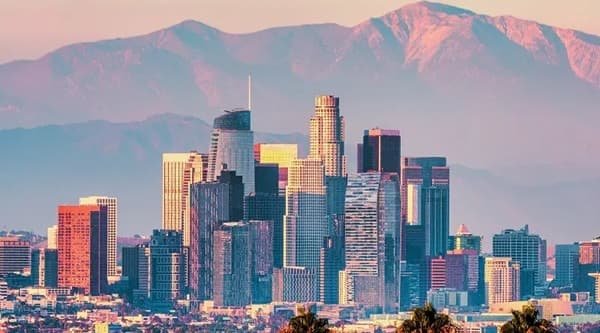
Las Vegas is Nevada’s most recognisable destination and one of the world’s best-known entertainment cities. Its casino resorts combine hotels, restaurants, live shows, shopping and elaborate attractions in a relatively compact corridor. The city changes constantly, so the experience is less about seeing a fixed list of landmarks and more about choosing the style of entertainment that suits the traveller.
- The Strip: Lined with large themed resorts, performance venues, restaurants and nightlife.
- Downtown Las Vegas: Fremont Street and nearby museums provide a different atmosphere from the newer Strip resorts.
- Beyond gambling: Major concerts, sports, dining and exhibitions make the city relevant even to visitors who never enter a casino.
2. Lake Tahoe and Alpine Nevada
The Nevada side of Lake Tahoe shows a completely different face of the state. The lake sits high in the Sierra Nevada, surrounded by forested slopes and mountain peaks. Summer brings beaches, hiking and boating, while winter turns the surrounding mountains into ski country.
- Lake Tahoe: Shared with California, but Nevada offers important shoreline communities and mountain access on the eastern side.
- Incline Village and Stateline: Two very different bases for exploring the lake, from quieter northern shores to resort activity in the south.
- Scenic driving: Weather, snow and seasonal road conditions should be checked before circling the lake.
3. Great Basin National Park and Dark Skies
Great Basin National Park demonstrates why Nevada should not be thought of only as desert flats. The park rises from high desert to alpine country around Wheeler Peak and protects ancient bristlecone pines, lakes, caves and exceptionally dark skies. Its remoteness is part of the appeal, but it also means visitors should plan fuel, food and driving time carefully.
- Lehman Caves: Ranger-guided cave tours reveal limestone formations below the mountain landscape; reservations are advisable.
- Bristlecone pine groves: Protect trees that can live for thousands of years.
- Stargazing: The park’s distance from large cities makes the night sky a major attraction.
4. Mining History and Virginia City
Nevada’s nickname, the Silver State, reflects the mining booms that shaped its nineteenth-century growth. The Comstock Lode brought wealth and rapid development to Virginia City and helped finance growth across the West. Today, preserved buildings and museums make the mining story visible rather than abstract.
- Virginia City: Retains wooden boardwalks, historic commercial buildings and strong links to the Comstock era.
- Carson City: The state capital has museums that connect mining, transportation and Nevada statehood.
- Ghost towns: Scattered sites range from accessible ruins to remote backcountry locations where roads may require high-clearance vehicles.
5. Desert Landscapes and Valley of Fire
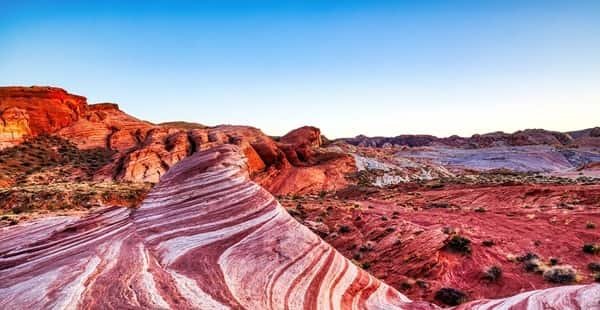
Southern Nevada’s desert scenery can be as memorable as its urban attractions. Red sandstone, dry lake beds and rugged mountains create dramatic landscapes within relatively short drives of Las Vegas. Travellers should respect desert conditions because extreme heat, little shade and limited water can quickly turn a simple walk into a difficult outing.
- Valley of Fire State Park: Known for red sandstone formations, petroglyphs and scenic roads.
- Red Rock Canyon: Provides hiking, climbing and desert viewpoints immediately west of Las Vegas.
- Mojave Desert: Best approached with realistic timing, sun protection and more drinking water than a city itinerary would require.
6. Reno, Carson City and Northwestern Nevada
Reno is known as ‘The Biggest Little City in the World,’ but modern visits go beyond casino floors. Public art, restaurants, the Truckee River and access to the Sierra Nevada have broadened its appeal. Nearby Carson City adds state history, while the surrounding region provides a convenient route toward Lake Tahoe and Virginia City.
- Reno Riverwalk: Brings dining, parks and public spaces together along the Truckee River.
- Carson City: A useful stop for museums and Nevada political history.
- Road-trip advantage: These destinations sit close enough to combine without the long drives required in many other parts of Nevada.
7. Extraterrestrial Lore and Route 375
Nevada’s remote military landscapes have encouraged decades of UFO stories and Area 51 folklore. Visitors cannot tour the restricted military installation, but the mythology has become part of roadside culture along State Route 375, officially promoted as the Extraterrestrial Highway.
- Rachel: A tiny desert community associated with UFO-themed roadside stops.
- Extraterrestrial Highway: Best treated as a quirky road trip rather than a conventional attraction corridor.
- Restricted areas: Warning signs and military boundaries should be taken seriously; visitors must remain on legal public roads.
8. Wide-Open Public Lands and Outdoor Recreation
Much of Nevada is public land, giving the state enormous space for hiking, climbing, off-road travel, camping and backcountry exploration. Mountain ranges repeatedly rise from broad basins, which is why Nevada’s geography is much more mountainous than many first-time visitors expect.
- Ruby Mountains: Known for high-country hiking and striking alpine scenery in northeastern Nevada.
- Black Rock Desert: Famous for vast playa landscapes and remote travel conditions.
- Backcountry planning: Fuel range, mobile coverage, road surface and seasonal weather matter more here than in the main resort corridors.
Frequently Asked Questions
Q. Is Nevada worth visiting if I am not interested in casinos?
Yes. Lake Tahoe, Great Basin National Park, Valley of Fire, Red Rock Canyon, historic mining towns and remote scenic drives can fill an entire trip without casino-focused activities.
Q. Can I combine Las Vegas and Lake Tahoe in a short trip?
They are in opposite parts of a large state. Flying or allowing a full road-trip day is more realistic than treating them as nearby attractions. For a short holiday, choose either southern Nevada or the Reno-Tahoe region.
Q. When is desert hiking safest?
Cooler months and early mornings are generally more comfortable than summer afternoons. In hot weather, exposed trails can become dangerous quickly, so check current forecasts, carry water and avoid underestimating heat.
Q. Do I need a special vehicle for Nevada road trips?
Main highways and popular attractions are accessible by normal cars. Remote ghost towns, desert tracks and some public-land routes may require high clearance or four-wheel drive. Never assume an unpaved road is suitable after rain or snow.
Q. What should I book ahead in Nevada?
Major Las Vegas shows, high-demand resort weekends, Lake Tahoe lodging and Lehman Caves tours are sensible priorities. Seasonal road conditions and park access should also be checked shortly before travel.