Mississippi is known as the birthplace of the blues, for its Delta culture, civil-rights history, literary traditions, Gulf Coast seafood, catfish, historic towns and the Natchez Trace. Music is the thread that ties many of these experiences together: blues developed in the state and influenced rock, country, R&B and other forms of American popular music. Yet Mississippi’s identity is equally shaped by the Mississippi River, Black history, agriculture and the complicated legacy of the Deep South. A thoughtful trip should make room for both celebration and difficult history. Clarksdale and the Delta reveal the roots of blues music, while Jackson’s museums give essential context on the civil-rights movement. Natchez is known for historic architecture but also requires honest interpretation of slavery and the cotton economy that produced much of its wealth. Along the Gulf Coast, beaches, seafood and maritime culture create a different atmosphere again. These contrasts are central to understanding the state rather than distractions from it. 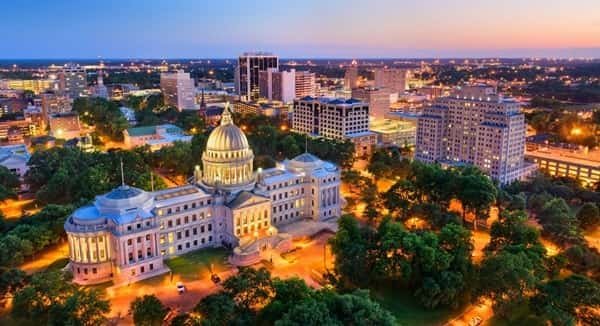
Mississippi at a Glance
| Detail | Information |
| Location | Southern United States, along the Mississippi River and Gulf of Mexico |
| Capital | Jackson |
| Nickname | The Magnolia State |
| Major visitor draws | Blues music, civil-rights history, Delta culture, Natchez, Gulf Coast and Southern food |
1. The Birthplace of the Blues
Mississippi’s strongest cultural claim is its role in the development of the blues. Musicians in the Delta and other parts of the state shaped sounds that later influenced rock ’n’ roll, soul, R&B and country music around the world. Live music remains important in Delta towns, but schedules can be concentrated on particular nights, so checking venue calendars helps avoid arriving when stages are quiet.
- Mississippi Blues Trail: Historic markers connect musicians, clubs, towns and recording history across the state.
- Clarksdale: A major blues destination with live venues and deep connections to Delta music history.
- Indianola: The B.B. King Museum and Delta Interpretive Center explores the life and influence of one of the genre’s most important artists.
2. The Mississippi Delta
The Delta is a broad alluvial plain between the Mississippi and Yazoo rivers. Cotton agriculture, Black labour, migration and music all shaped its history. The landscape can appear quiet today, but small towns and cultural sites reveal enormous influence on American life.
- Delta roads: A slow drive between towns often makes more sense than trying to see the region through one museum.
- Food: Tamales, barbecue and soul food are part of the Delta’s cultural story.
- Historic context: Plantation wealth and the exploitation of enslaved and later sharecropping labour should not be separated from the region’s heritage.
3. Civil Rights History
Mississippi was one of the central battlegrounds of the modern civil-rights movement. Murders, voter-registration campaigns, school integration and grassroots organising made the state a focus of national attention. These sites are strongest when visited with time to read and reflect; treating them as quick photo stops can miss the human stories that give them significance.
- Mississippi Civil Rights Museum, Jackson: Provides broad context through exhibits on people, events and organising.
- Mississippi Freedom Trail: Marks important sites connected to activists and pivotal events.
- Emmett Till sites: Several locations in the Delta interpret the 1955 murder and its impact on the national movement.
4. Elvis Presley and Wider Music Heritage
Mississippi’s musical influence extends far beyond blues. Elvis Presley was born in Tupelo, gospel traditions flourished across the state, and Mississippi artists contributed to country, rock, soul and other genres.
- Elvis Presley Birthplace, Tupelo: Preserves the modest house where Presley was born and interprets his early life.
- GRAMMY Museum Mississippi: Located in Cleveland, it explores music history and recording culture with a Mississippi focus.
- Country Music Trail: Adds another route for travellers interested in artists and songwriting traditions.
5. Natchez and the Mississippi River
Natchez is known for historic homes, river views and one of the oldest European-settled city landscapes on the lower Mississippi. Many grand houses were built with wealth connected to cotton and enslaved labour, making responsible interpretation essential. Spring and autumn are popular for house tours and walking, while summer heat can make long outdoor itineraries uncomfortable in the middle of the day.
- Historic houses: Tours vary in how directly they address slavery, architecture and family history.
- Forks of the Road: Interprets the site of a major slave market and provides crucial context for antebellum Natchez.
- Riverfront: Offers views across the Mississippi and links the city to trade and transportation history.
6. The Natchez Trace Parkway
The Natchez Trace follows a historic travel corridor used by Indigenous peoples, traders, soldiers and settlers. The modern parkway creates a slower road trip through forests and rural landscapes, with archaeological, cultural and natural stops along the way.
- Scenic driving: Commercial traffic is limited, creating a quieter alternative to major highways.
- Short trails: Numerous pull-offs lead to walking paths and historic sites.
- Planning: Fuel and food are generally found off the parkway rather than at every stop.
7. Gulf Coast Beaches and Seafood
Mississippi’s Gulf Coast adds beaches, casinos, fishing communities and seafood to the state’s travel identity. Biloxi, Gulfport and smaller coastal towns have rebuilt repeatedly after hurricanes, so resilience is part of the region’s modern story.
- Biloxi: Known for seafood, maritime history and casino resorts.
- Barrier islands: Protected coastal landscapes can be reached by seasonal boat services and require weather awareness.
- Seafood: Shrimp, oysters and Gulf fish are important to local menus, with availability shaped by season and harvest conditions.
8. Literature, Food and Southern Culture
Mississippi has produced influential writers and distinctive regional food traditions. Literature, storytelling, church culture and family recipes are often better ways to understand the state than relying on stereotypes about the South. Bookstores, university events and small museums often add the personal voices that large heritage attractions cannot provide on their own.
- Oxford: Associated with William Faulkner and a strong contemporary literary scene.
- Jackson: Offers museums, restaurants and cultural institutions that broaden the state beyond rural imagery.
- Regional dishes: Catfish, Delta tamales, comeback sauce and Gulf seafood show how food changes across Mississippi.
Frequently Asked Questions
Q. Where should a first-time visitor go to understand Mississippi blues?
Clarksdale is a strong base, but the Blues Trail works best as a route through several Delta towns. Adding the B.B. King Museum in Indianola provides deeper historical context.
Q. How should visitors approach plantation-era sites in Mississippi?
Look for tours that address the lives of enslaved people and the economic system behind plantation wealth, not only architecture and furnishings. Sites vary significantly in the depth of interpretation they provide.
Q. Is the Mississippi Gulf Coast suitable for a beach holiday?
Yes, but the experience is different from clearer-water beach destinations farther east. The coast is also about seafood, boating, barrier islands, museums and entertainment, not just swimming.
Q. Can I drive the Natchez Trace in one day?
You can cover long sections in a day, but the parkway is more rewarding at a slower pace with stops for trails and historic sites. A multi-day route provides a better sense of the landscape.
Q. What weather risks matter when visiting Mississippi?
Summer heat, thunderstorms and Gulf Coast tropical systems can affect plans. During hurricane season, coastal visitors should monitor official forecasts and be prepared to change itineraries.