Idaho is known for potatoes, the Sawtooth Mountains, whitewater rivers, hot springs, alpine lakes, skiing and large areas of rugged public land. The potato reputation is real, but it represents only one part of a state whose landscapes range from volcanic lava fields to forested mountains and deep river canyons. Outdoor recreation is central to Idaho’s identity, especially rafting, hiking, fishing, mountain biking and winter sports.
For visitors, geography matters. Boise and southwest Idaho combine a growing city with foothills and hot springs. Central Idaho contains the Sawtooths and major river corridors, while northern Idaho has large lakes and forested mountains around Coeur d’Alene and Sandpoint. Eastern Idaho links naturally with Yellowstone and Grand Teton routes. Because these regions are far apart, a focused itinerary usually produces a better trip than trying to cover the entire state at once. For road trips, summer gives the broadest access, but spring runoff and autumn weather can be equally rewarding for travellers who check local conditions and avoid assuming every mountain road is open.
Idaho Quick Info
| Detail | Information |
| Location | Northwestern United States |
| Capital | Boise |
| Nickname | The Gem State |
| Major visitor draws | Sawtooth Mountains, whitewater rafting, potatoes, hot springs, alpine lakes and outdoor recreation |
1. Potatoes and Agricultural Idaho
Idaho is internationally associated with potatoes because its volcanic soils, irrigation and climate support large-scale production. The crop became a powerful state symbol, although wheat, barley, dairy and other agricultural sectors are also important.
- Idaho Potato Museum: In Blackfoot, it turns the state’s best-known crop into an accessible cultural stop.
- Farm country: Southern and eastern Idaho reveal how irrigation transformed dry landscapes into productive agricultural areas.
- Food: Potato dishes appear everywhere, but local menus also feature trout, huckleberries and regional beef.
2. The Sawtooth Mountains
The Sawtooths are among Idaho’s most striking landscapes, with jagged peaks, alpine lakes and broad wilderness areas. The Sawtooth National Recreation Area provides hundreds of miles of trails and numerous high-country lakes. Popular trailheads and campgrounds can fill on summer weekends, while shoulder seasons bring quieter roads but a greater chance of cold nights and lingering snow.
- Stanley: A small mountain town often used as a base for hiking, rafting and hot springs.
- Redfish Lake: Offers boating, swimming and trail access beneath the peaks.
- Backcountry conditions: Weather changes quickly at elevation, and snow can linger well into the hiking season.
3. Whitewater Rafting and Wild Rivers
Idaho has an exceptional reputation for river recreation. The Salmon, Middle Fork of the Salmon, Snake, Lochsa and other rivers support everything from day trips to multi-day wilderness expeditions. Multi-day trips can involve long periods without road access, so packing requirements and emergency procedures are more important than on ordinary sightseeing excursions.
- Middle Fork and Main Salmon: Known for long wilderness rafting journeys that often require permits or commercial guides.
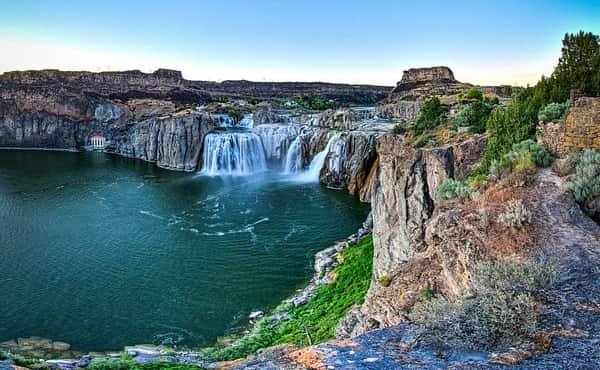
- Snake River Canyon: Offers rafting in several regions, including trips near Hells Canyon.
- Safety: Water temperature, flow and rapid difficulty vary by season; inexperienced visitors should use reputable outfitters.
4. Hot Springs
Natural hot springs are scattered across Idaho, particularly in central and southwestern mountain areas. Some are developed pools with facilities, while others require hikes or rough-road access. Winter can make some hot springs especially appealing, but snow, ice and unploughed roads may turn otherwise simple access into a serious driving challenge.
- Developed springs: Easier for families and travellers who want changing rooms and controlled pools.
- Backcountry springs: Require more care because roads, river levels and winter snow can affect access.
- Etiquette: Leave no trace, avoid soaps in natural pools and respect private property.
5. Boise and the Treasure Valley
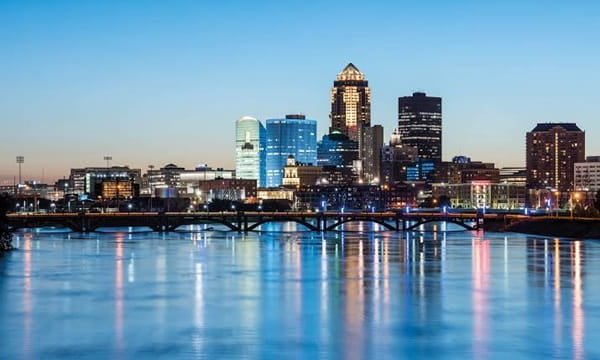
Boise is Idaho’s capital and largest city, combining government, universities, restaurants and outdoor access. The Boise River and foothills make recreation part of daily city life rather than something found only in distant parks.
- Boise River Greenbelt: A long riverside path linking parks and neighbourhoods.
- Basque Block: Reflects one of the strongest Basque cultural communities in the United States.
- Foothills: Trail systems immediately north of the city are popular for hiking and mountain biking.
6. Craters of the Moon
Craters of the Moon National Monument and Preserve protects a vast volcanic landscape of lava flows, cinder cones and lava tubes. The terrain looks dramatically different from Idaho’s forested mountains and is one of the best places to understand the state’s volcanic geology.
- Loop Road: Provides seasonal access to major viewpoints and short trails.
- Lava tubes: Some caves require permits or seasonal checks to protect bats and sensitive environments.
- Summer heat: Black lava absorbs heat, so early or late-day visits can be more comfortable.
7. Northern Idaho Lakes and Forests
Northern Idaho is wetter and more heavily forested than much of the south. Large lakes, mountain towns and easy access to boating and winter sports give the panhandle its own identity. Wildfire smoke can occasionally affect summer visibility and outdoor plans, making current air-quality and fire information useful before long lake or mountain stays.
- Lake Coeur d’Alene: Central to boating, cycling and resort activity around the city of Coeur d’Alene.
- Lake Pend Oreille: A deep, expansive lake surrounded by mountains near Sandpoint.
- Schweitzer: A major ski area that also supports summer mountain activities.
8. Hells Canyon, Wilderness and Wildlife
Idaho contains enormous areas of mountain and canyon wilderness. Hells Canyon along the Oregon border is often described as North America’s deepest river gorge, while central Idaho includes some of the largest roadless landscapes in the Lower 48. Visitors should keep appropriate distance from wildlife and store food carefully, particularly when camping in bear country or remote river corridors.
- Hells Canyon: Best experienced through viewpoints, boating or guided river trips depending on the route.
- Wildlife: Elk, deer, black bears and other animals are common in many mountain regions.
- Planning: Remote areas may have little mobile coverage, long fuel gaps and rapidly changing weather.
Frequently Asked Questions
Q. Is Idaho mainly a potato-farming state?
No. Potatoes are an important agricultural symbol, but tourism is strongly shaped by mountains, rivers, lakes, hot springs, skiing and wilderness recreation.
Q. Do I need permits for rafting in Idaho?
Some famous multi-day river sections use permit systems, while many commercial day trips operate under outfitter arrangements. Check the specific river and date before planning.
Q. Can I visit the Sawtooths as a day trip from Boise?
It is possible but involves several hours of driving. Staying around Stanley or another central Idaho base gives much more time for trails, lakes and mountain scenery.
Q. Are Idaho hot springs safe for children?
Developed pools are generally easier for families because temperatures and facilities are managed. Natural backcountry springs vary in heat, depth and access, so adults should assess conditions carefully.
Q. What should I prepare for on remote Idaho drives?
Carry extra water, keep fuel levels high, download maps for offline use and check weather or fire conditions. Mobile coverage can disappear quickly in mountain and canyon areas.