Nebraska is known for the Great Plains, Sandhills, pioneer trails, agriculture, the Platte River, sandhill crane migration, Omaha and landmarks such as Chimney Rock. The state often appears flat from the interstate, but that first impression misses rolling grass-covered dunes, river valleys, bluffs and large areas of open ranch country. Its history is closely tied to westward migration, railroads and farming, while modern cities add museums, sports and major family attractions.
A strong Nebraska itinerary usually follows one of two ideas: a cross-state road trip along historic migration routes, or a focused visit around Omaha, Lincoln and the Platte River. Western Nebraska contains many of the landscapes and landmarks seen by emigrants on the Oregon, California and Mormon trails. Central Nebraska becomes internationally important each spring when huge numbers of sandhill cranes gather along the Platte. These experiences are quiet compared with major theme-park destinations, but they are exactly what makes Nebraska distinctive. The state’s scale is part of the experience, so allowing time for scenic detours, small-town museums and unplanned wildlife stops usually produces a more satisfying trip than following the interstate alone.
Nebraska at a Glance
| Detail | Information |
| Location | Great Plains, central United States |
| Capital | Lincoln |
| Nickname | The Cornhusker State |
| Major visitor draws | Sandhills, pioneer landmarks, crane migration, Omaha, agriculture and Great Plains road trips |
1. The Sandhills
Nebraska’s Sandhills cover a large part of the state with grass-stabilised sand dunes, ranchland, wetlands and broad skies. The region is one of the largest intact grassland ecosystems in North America and feels far more remote than the agricultural corridor along Interstate 80. Small communities are widely spaced, so fuel planning matters more than it does on Interstate 80, especially for travellers taking scenic side roads.
- Nebraska Highway 2: Often used as a scenic route through the heart of the Sandhills.
- Ranch country: Cattle grazing rather than row crops dominates much of the landscape.
- Night skies: Low population density makes many areas excellent for stargazing.
2. Sandhill Crane Migration
Every spring, roughly a million sandhill cranes stage along Nebraska’s central Platte River valley during their northward migration. Dawn and dusk gatherings can be extraordinary, with birds feeding in nearby fields by day and roosting in shallow river channels at night.
- Kearney and Grand Island: Common bases for organised crane-viewing trips.
- Peak timing: Numbers usually build through March, though weather affects exact migration patterns.
- Viewing etiquette: Use designated areas or guided blinds and avoid approaching birds in fields or along roosting sections of the river.
3. Chimney Rock and Pioneer Trails
Chimney Rock was one of the most recognised landmarks for emigrants travelling west on the Oregon, California and Mormon trails. Its narrow spire rises above the plains and helped travellers measure their progress toward the Rocky Mountains.
- Chimney Rock: A national historic site with interpretation near Bayard.
- Scotts Bluff: Another major landmark where trails and viewpoints add geological and migration history.
- The Archway, Kearney: Uses exhibits to tell stories of migration and transportation across Nebraska.
4. Omaha and the Missouri River
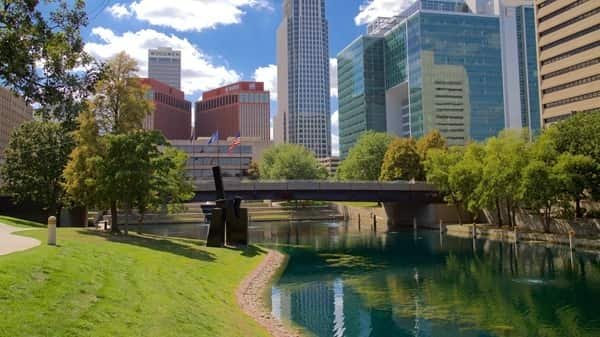
Omaha is Nebraska’s largest city and an important centre for business, rail history, food and family attractions. Recent riverfront redevelopment has made downtown easier to combine with museums and walking routes. Omaha also hosts the Men’s College World Series, an annual event that can bring large crowds and higher accommodation demand to the city.
- Henry Doorly Zoo and Aquarium: One of the city’s best-known attractions, with large indoor and outdoor habitat complexes.
- The RiverFront: Connects parks and public spaces near downtown.
- Old Market: A historic warehouse district with restaurants, shops and galleries.
5. Lincoln and Cornhusker Culture
Lincoln is the state capital and home to the University of Nebraska. Government, university life and college sports strongly shape the city’s identity, especially during football season.
- Nebraska State Capitol: A distinctive towered building with art and architectural details worth seeing on a guided or self-guided visit.
- University of Nebraska: Museums and campus events broaden a Lincoln stay beyond sports.
- Football weekends: Hotel demand and traffic can increase significantly when the Cornhuskers play at home.
6. Agriculture and the Great Plains
Farming and ranching are central to Nebraska’s economy and landscape. Corn, cattle and other crops dominate different regions, while irrigation has transformed parts of the plains. Seasonal farm work can bring heavy equipment onto rural roads, so patient driving and extra stopping distance are important during planting and harvest periods.
- Farm roads: Reveal how grain elevators and small towns remain tied to agriculture.
- Agritourism: Orchards, farm events and local food stops add context beyond roadside views.
- Arbor Day: The holiday originated in Nebraska City, where Arbor Day Farm keeps that history visible.
7. Railroads and Cross-Country Travel
Nebraska’s position on the central plains made it crucial to transcontinental transport. Railroads, highways and migration trails repeatedly followed the Platte River corridor because it offered a comparatively practical route across the plains.
- Union Pacific: Omaha has deep historic ties to the transcontinental railroad.
- Golden Spike Tower, North Platte: Overlooks Bailey Yard, one of the world’s largest rail classification yards.
- Interstate 80 corridor: Modern road travel often follows the same broad east-west geography used by earlier transport routes.
8. Niobrara River and Outdoor Nebraska
Nebraska also has river canyons, waterfalls and wooded recreation areas that contrast with its prairie image. The Niobrara National Scenic River is especially popular for canoeing, tubing and kayaking. Many visitors use local outfitters for shuttles and equipment, which simplifies logistics because river trips often begin and end at different access points.
- Niobrara River: Offers relatively gentle paddling through a scenic valley with springs and waterfalls nearby.
- Smith Falls State Park: Protects Nebraska’s highest waterfall and is a common stop on river trips.
- Weather: Summer storms and high water can affect river conditions, so local guidance should be checked.
Frequently Asked Questions
Q. When is the best time to see Nebraska’s sandhill cranes?
March is the main viewing month, with numbers often peaking in the middle or later part of the month. Migration timing varies with weather, so check current reports before travelling.
Q. Is Nebraska worth driving across rather than flying over?
Yes, especially for travellers interested in pioneer history, the Sandhills, railroads and Great Plains landscapes. Leaving Interstate 80 for Highway 2 or western historic sites changes the experience considerably.
Q. Can I see Chimney Rock and Scotts Bluff in the same day?
Yes. They are close enough to combine, and together they provide a stronger understanding of why these formations mattered to westbound emigrants.
Q. Do I need advance reservations for crane viewing?
Guided blinds and popular sanctuary tours can fill well ahead during peak migration. Public viewing areas exist, but organised tours often provide better positioning and interpretation.
Q. What is “tanking” in Nebraska?
Tanking is a local river activity in which people float in large livestock tanks adapted for recreation. Outfitters on some rivers organise trips, making it a distinctly Nebraska alternative to tubing or canoeing.