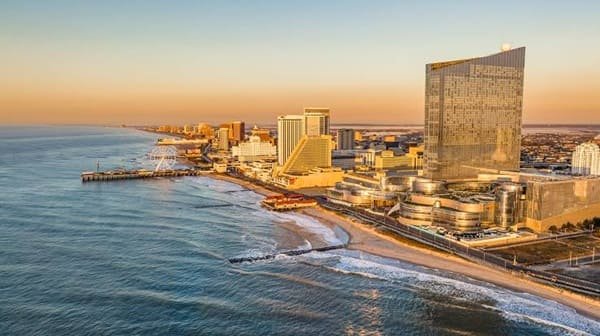
Virginia is known for colonial history, presidential homes, the Blue Ridge Mountains, Shenandoah National Park, Virginia Beach, vineyards, and landscapes that stretch from the Atlantic to the Appalachian region. Few states place so many nationally important historic sites within easy reach of scenic drives and outdoor escapes. A visitor can spend the morning in an eighteenth-century capital and the next day hiking to a mountain viewpoint.
The strongest Virginia itineraries balance history with landscape. Williamsburg, Jamestown, and Yorktown form a natural cluster in the east; Shenandoah and the Blue Ridge suit a separate mountain route; and Richmond can bridge the two. Distances are manageable compared with some larger states, but trying to include every presidential estate, battlefield, beach, and mountain stop in a few days still leads to a hurried trip.
| Detail | Information |
| Location | Mid-Atlantic United States, from the Atlantic coast to the Blue Ridge and Appalachian regions |
| Capital | Richmond |
| Nickname | The Old Dominion |
| Major visitor draws | Colonial history, presidential homes, Shenandoah National Park, Blue Ridge scenery, Virginia Beach, wine, and historic towns |
1. Colonial Williamsburg, Jamestown and Yorktown
Virginia’s Historic Triangle is one of the best places in the United States to explore the colonial and Revolutionary periods through preserved sites and living-history interpretation. The three main destinations are close enough to combine, but each tells a different part of the story.
- Colonial Williamsburg: Re-creates and preserves an eighteenth-century capital through historic buildings, interpreters, trades, gardens, and exhibitions.
- Jamestown: Archaeology and museum interpretation explore the early English settlement while also addressing the Powhatan peoples and the difficult history of colonisation.
- Yorktown: Connects visitors with the 1781 campaign that helped end major fighting in the American Revolution.
2. Presidential Homes and Founding-Era History
Virginia produced several early American presidents, and their homes attract visitors interested in politics, architecture, plantation history, and the contradictions of the founding era. Modern interpretation increasingly includes the lives of enslaved people who lived and worked at these estates.
- Mount Vernon: George Washington’s estate overlooks the Potomac River and includes the mansion, grounds, museum spaces, and interpretation of the enslaved community.
- Monticello: Thomas Jefferson’s home near Charlottesville combines architecture, landscape, and extensive historical interpretation.
- James Madison’s Montpelier and other sites: Provide further context for the founding period and the people whose lives were tied to these estates.
3. Shenandoah National Park and Skyline Drive
Shenandoah National Park protects a long stretch of the Blue Ridge Mountains west of Washington, D.C. Skyline Drive follows the ridgeline through overlooks, trailheads, and forest. Autumn foliage is famous, but spring wildflowers and summer hiking also make the park popular.
- Skyline Drive: A scenic route with numerous overlooks, though driving can be slow because of curves, wildlife, weather, and visitor traffic.
- Hiking: Trails range from short walks to demanding climbs and connect with sections of the Appalachian Trail.
- Wildlife and weather: Deer are common, black bears live in the park, and mountain conditions can change quickly; follow park guidance and keep distance from animals.
4. Blue Ridge Parkway and Shenandoah Valley
South of Shenandoah, the Blue Ridge Parkway and the wider Shenandoah Valley continue Virginia’s mountain story. The region combines scenic roads, caverns, farms, college towns, music, and Civil War history. It is best enjoyed at a relaxed driving pace.
- Blue Ridge Parkway: Connects high-elevation viewpoints and recreation areas as it runs south towards North Carolina.
- Shenandoah Valley towns: Staunton, Lexington, and other communities add architecture, museums, restaurants, and performing arts.
- Luray Caverns and other cave systems: Offer dramatic underground scenery and a weather-proof attraction during mountain road trips.
5. Virginia Beach and the Chesapeake Region
Virginia’s eastern edge offers Atlantic beaches, Chesapeake Bay scenery, maritime history, and seafood. Virginia Beach is the largest resort destination, but nearby communities and protected natural areas provide quieter alternatives.
- Virginia Beach oceanfront: Known for a long beach, boardwalk, hotels, restaurants, and seasonal entertainment.
- First Landing State Park: Adds trails, dunes, waterways, and natural surroundings close to the resort area.
- Chesapeake Bay: Oysters, boating, fishing, and waterfront towns create a coastal experience distinct from the open Atlantic beach.
6. Richmond’s Museums, River and Neighbourhoods
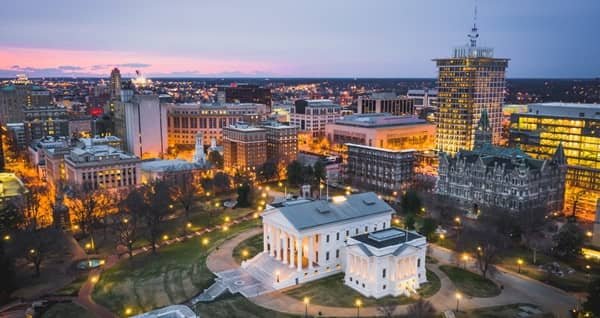
Richmond, the state capital, brings together Revolutionary history, Civil War interpretation, African American history, art, food, and outdoor recreation along the James River. The city is a useful midpoint between the Historic Triangle and mountain regions.
- Virginia Museum of Fine Arts: A major art museum with broad collections and rotating exhibitions.
- James River: Rapids, trails, islands, and riverside parks give the city an unusually strong outdoor element close to downtown.
- Historic neighbourhoods: Architecture, monuments, museums, and restaurants make areas such as Church Hill rewarding to explore on foot.
7. Virginia Wine, Oysters and Regional Food
Virginia’s food and drink culture reflects coast, farmland, mountains, and a long agricultural history. Wine tourism has expanded significantly, while Chesapeake Bay oysters and regional produce connect meals directly with local landscapes.
- Wine country: Vineyards around Charlottesville, northern Virginia, and other regions offer tastings and countryside views; use safe transport when visiting multiple wineries.
- Oyster trails: Coastal restaurants and aquaculture areas showcase different oyster-growing regions and flavours around the Chesapeake.
- Farm and mountain food: Farmers’ markets, apples, country ham, peanuts, and contemporary Southern cooking provide further regional variety.
8. Scenic Byways, Small Towns and Civil War Landscapes
Virginia’s smaller towns and preserved landscapes make road travel especially rewarding. Many Civil War sites are spread along the Shenandoah Valley and central Virginia, while scenic byways connect farms, historic centres, and mountain views.
- Battlefield parks: Manassas, Fredericksburg, Appomattox, and other sites interpret military campaigns and their effects on civilians and communities.
- Small towns: Places such as Abingdon, Staunton, and Middleburg offer historic streets, local arts, inns, and restaurants.
- Country roads: Build extra time into drives so overlooks, farm shops, and unplanned historic stops can become part of the itinerary rather than delays.
Frequently Asked Questions
Q. How many days do I need for Williamsburg, Jamestown and Yorktown?
Two or three days is a comfortable minimum for the Historic Triangle. Trying to see all three major sites in one day leaves little time for museums, demonstrations, walking, and the interpretation that makes the area meaningful.
Q. Do I need a car in Virginia?
A car is useful for most state-wide itineraries, especially Shenandoah, the Blue Ridge Parkway, presidential estates, vineyards, and smaller towns. Central Richmond and some urban areas can be explored with walking, transit, or rideshares.
Q. When is the best time for fall colour in Shenandoah?
Peak colour varies by elevation, weather, and year. Higher areas can turn earlier than lower valleys, so check current foliage and park reports rather than booking solely around a traditional calendar week.
Q. Can I combine Virginia Beach and Shenandoah in one trip?
Yes, but they are on opposite sides of the state and require several hours of driving. With a week or more, the contrast works well; on a short trip, choose the coast or mountains and explore that region properly.
Q. Which Virginia attractions should I reserve in advance?
Popular historic tours, peak-season lodging in Shenandoah, some estate entry times, winery experiences, and summer beach accommodation can fill quickly. Park roads and outdoor activities also depend on weather, so keep part of the schedule flexible.