West Virginia is known for rugged Appalachian mountains, the New River Gorge, whitewater rafting, forested state parks, coal-mining history and a strong tradition of mountain music. Much of the state feels rural and deeply tied to its landscape, with winding roads, river valleys and small communities tucked between steep ridges.
For visitors, the state works best as an outdoor and heritage trip rather than a checklist of large cities. A few days can combine hiking, rafting and scenic viewpoints with museums, historic towns and live music, but mountain roads often make journeys slower than the map suggests.
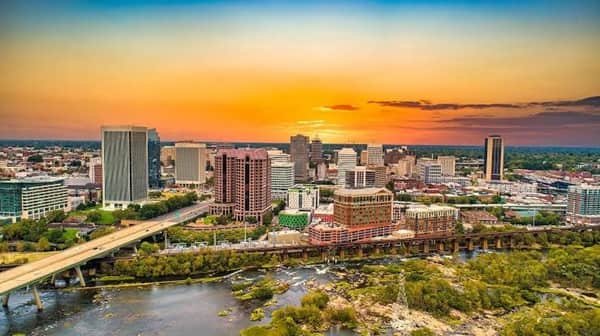
West Virginia at a Glance
| Detail | Information |
| Location | Appalachian region of the eastern United States |
| Capital | Charleston |
| Nickname | The Mountain State |
| Major visitor draws | New River Gorge, Appalachian mountains, whitewater rafting, coal heritage, music and scenic roads |
1. The New River Gorge and Its Famous Bridge
New River Gorge National Park and Preserve has become West Virginia’s best-known natural attraction. The New River cuts through a deep Appalachian gorge, creating cliffs, forested slopes and major opportunities for hiking, paddling and climbing. The huge steel arch bridge above the river is an attraction in its own right. The park also preserves railroad, mining and community history, so the gorge tells a human story as well as a geological one.
- New River Gorge Bridge: One of the state’s defining landmarks, with overlooks and visitor facilities near Fayetteville.
- Grandview: Offers broad views over a dramatic bend in the New River and is especially striking during fall color.
- Fayetteville: A useful base for outdoor outfitters, restaurants and access to gorge activities.
2. Whitewater Rafting and Outdoor Adventure
West Virginia’s steep rivers and mountainous terrain make outdoor recreation central to its identity. The New and Gauley rivers are especially associated with commercial rafting, while climbing, mountain biking, fishing and ziplining add more ways to experience the landscape. Autumn rafting on the Gauley has become a seasonal tradition, but water level, age limits and trip difficulty should always be checked with operators.
- Gauley River: Best known among experienced rafters for powerful autumn releases and demanding rapids.
- New River: Offers sections suitable for different experience levels, depending on water and route.
- Guided trips: For rafting and technical climbing, use experienced licensed or established operators rather than treating the terrain casually.
3. Appalachian Mountains and Scenic State Parks
The Mountain State nickname is easy to understand once you travel beyond the interstate. Forested ridges dominate much of West Virginia, and state parks provide accessible places for waterfalls, overlooks, cabins and short hikes without requiring a major expedition. Because elevations vary sharply, a sunny valley day can become cooler and foggier on the ridges within a short drive.
- Blackwater Falls State Park: Known for its amber-colored waterfall and forested canyon scenery.
- Canaan Valley: Combines mountain landscapes with hiking, wildlife viewing and winter recreation.
- Seneca Rocks: A striking rock formation in the Monongahela National Forest and a landmark for hikers and climbers.
4. Coal Mining Heritage and Industrial History
Coal shaped communities, railways and labor history across southern West Virginia. The industry brought jobs and growth but also dangerous working conditions, labor conflict and long-term economic change. Heritage sites help explain this history beyond stereotypes about the state. Labor history is especially important in the southern coalfields, where union organizing and mine conflicts influenced national debates about workers’ rights.
- National Coal Heritage Area: Links historic places, museums and former mining communities across southern West Virginia.
- Beckley Exhibition Coal Mine: Uses a preserved mine setting to interpret mining life and local history.
- Company-town history: Former mining settlements reveal how housing, commerce and employment were often controlled by coal companies.
5. Mountain Music, Folk Traditions and Festivals
West Virginia is part of the wider Appalachian musical region, where fiddle music, old-time styles, bluegrass, gospel and country traditions have long been shared at homes, churches, dances and festivals. Music is not simply entertainment here; it is a way local history and family traditions have been passed on.
- Old-time music: Fiddles, banjos and string bands remain important to community gatherings and heritage events.
- Mountain Stage: The long-running live music radio program based in Charleston showcases a broad range of performers.
- Local festivals: Small-town events often combine crafts, food, storytelling and traditional music.
6. Historic Towns and Appalachian Culture
West Virginia rewards travelers who slow down in smaller communities. Historic rail towns, river settlements and old commercial districts show how geography, transport and industry shaped daily life in the mountains. These places can add context to a trip that might otherwise focus only on scenery.
- Harpers Ferry: Preserves an important historic town at the meeting of the Potomac and Shenandoah rivers.
- Lewisburg: Known for a walkable historic center, local shops and access to the Greenbrier Valley.
- Bramwell: A small former coal town noted for historic architecture linked to the mining era.
7. Charleston, the State Capital
Charleston is West Virginia’s capital and largest city, sitting along the Kanawha River. It gives visitors a more urban look at the state through government buildings, museums, performance spaces and restaurants, while still remaining close to mountain drives and outdoor areas.
- West Virginia State Capitol: The gold-domed complex is one of Charleston’s most recognizable landmarks.
- West Virginia State Museum: Introduces the state’s natural, cultural and industrial history in one place.
- Capitol Market: A useful stop for local produce, food and small businesses near downtown.
8. Fall Color, Scenic Drives and Road-Trip Character
Autumn is one of the most visually dramatic seasons in West Virginia, when hardwood forests turn red, orange and gold. Scenic routes connect overlooks, valleys and mountain towns, but curves, elevation changes and weather can make travel times longer than expected.
- Highland Scenic Highway: A mountain route through Monongahela National Forest with overlooks and trail access.
- Midland Trail: Follows a historic east-west route through small towns and mountain scenery.
- Plan by region: Combining nearby attractions usually creates a better trip than crossing the state repeatedly in one day.
Frequently Asked Questions
Q. Do I need a car to explore West Virginia?
A car is the most practical option for most visitors because many parks, trailheads, heritage areas and small towns have limited public transport. Build extra time into mountain drives, especially after dark or in poor weather.
Q. Is New River Gorge suitable for visitors who do not hike?
Yes. Several overlooks and visitor areas provide strong views without long hikes. You can also explore Fayetteville, drive to scenic stops or join a guided activity suited to your comfort level.
Q. When is the best time for fall foliage?
Color usually develops from higher elevations and northern areas before moving into lower valleys. Conditions vary each year, so check current foliage reports close to your travel dates rather than relying on one fixed week.
Q. Is whitewater rafting only for experienced people?
No. Outfitters offer trips on different river sections and difficulty levels. Tell the operator about your swimming ability, age group and experience so you are matched with an appropriate trip.
Q. How many days are useful for a first West Virginia trip?
Three to five days can cover one or two regions well, such as New River Gorge plus the Charleston area or the Potomac Highlands. Trying to combine every major corner of the state in a short visit leads to too much driving.