Delaware is known as the First State, for its Atlantic beaches, tax-free shopping, colonial history, DuPont family legacy and compact size. The state stretches from the urbanized Wilmington area in the north through farmland and the capital at Dover to resort towns and protected beaches along the coast.
Visitors often underestimate how varied Delaware feels from north to south. A short trip can combine historic estates and museums with beach time, wildlife areas and small coastal towns, making the state especially practical for a road trip without long driving days.
| Detail | Information |
| Location | Mid-Atlantic region on the eastern United States coast |
| Capital | Dover |
| Nickname | The First State |
| Major visitor draws | Atlantic beaches, tax-free shopping, colonial history, DuPont heritage, coastal parks and small towns |
1. The First State and Early American History
Delaware’s most famous nickname comes from becoming the first state to ratify the U.S. Constitution on December 7, 1787. Its earlier history includes Indigenous communities, Dutch and Swedish settlement, English rule and close ties to the wider Mid-Atlantic region. The state’s small size should not obscure its historical importance in debates over colonial government, slavery and the formation of the early United States.
- Dover: The state capital combines government buildings with museums and a historic central district.
- New Castle: Preserves a compact colonial-era town plan near the Delaware River.
- First State National Historical Park: Links several sites connected with colonial and early national history.
2. Rehoboth, Bethany and Delaware Beaches
Southern Delaware is best known to leisure travelers for Atlantic beaches and resort towns. Each coastal community has a different feel, from lively boardwalk entertainment to quieter family-oriented streets and nature-focused shorelines. Summer demand is highest on weekends, when beach traffic and parking can shape the day as much as the distance on the map.
- Rehoboth Beach: Known for its boardwalk, restaurants, shops and easy access to outlet shopping.
- Bethany Beach: Smaller and generally quieter, with a compact boardwalk and family vacation atmosphere.
- Dewey Beach: More strongly associated with nightlife, live music and watersports.
3. Tax-Free Shopping
Delaware has no state or local sales tax, making tax-free shopping one of its best-known practical attractions. The advantage applies across the state, but outlet centers and large retail areas make it especially visible to visitors. The absence of sales tax is particularly noticeable on higher-value purchases, which helps explain Delaware’s regional shopping reputation.
- Tanger Outlets near Rehoboth: A major beach-area shopping stop with numerous national brands.
- Christiana area: Northern Delaware has large malls and retail corridors close to Interstate 95.
- Plan for value, not just tax: Compare prices because tax-free status does not automatically make every item the cheapest available.
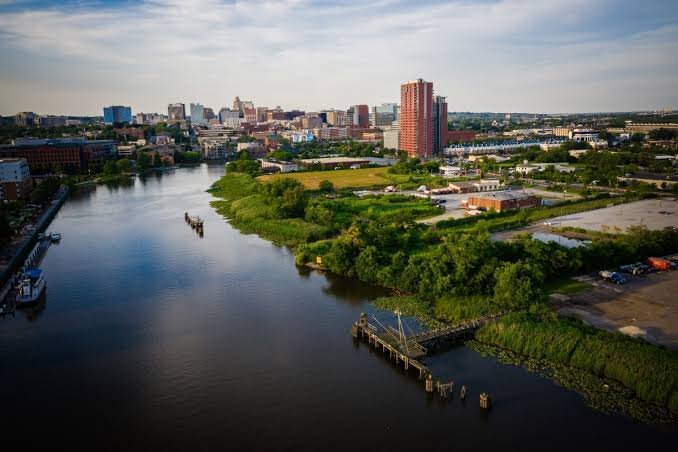
4. DuPont Estates, Gardens and Wilmington
Northern Delaware was shaped strongly by the DuPont family and the chemical company that grew around Wilmington. Their former estates, gardens and collections have become some of the state’s most important cultural attractions. The Brandywine Valley also contains art, gardens and historic landscapes that can fill an entire day without entering central Wilmington.
- Winterthur: A major museum, garden and estate focused on American decorative arts.
- Hagley Museum: Interprets the early DuPont industrial site along the Brandywine.
- Nemours Estate: Known for a grand mansion, formal gardens and the scale of the family’s wealth.
5. Cape Henlopen and Coastal Nature
The Delaware coast is not only about resort beaches. Dunes, pine woods, salt marshes and bays support birdlife, fishing, cycling and quieter outdoor recreation, particularly around Cape Henlopen and the inland bays. Migrating shorebirds and waterfowl make the Delaware Bay and marshes especially rewarding for nature travelers during seasonal movements.
- Cape Henlopen State Park: Offers beaches, dunes, trails and views near the meeting of Delaware Bay and the Atlantic.
- Junction and Breakwater Trail: A popular cycling and walking route linking the Lewes and Rehoboth area.
- Prime Hook: A national wildlife refuge known for marshes and birdwatching.
6. Lewes and Maritime Heritage
Lewes presents a quieter coastal alternative to the resort boardwalks. Its historic district, museums and location near Delaware Bay reflect centuries of maritime activity and settlement. Lewes also serves as a useful base for Cape Henlopen, giving visitors a way to combine history, cycling and beach time without changing hotels.
- Zwaanendael Museum: Interprets the area’s early Dutch connections and local history.
- Lewes waterfront: Provides access to fishing, boat trips and views of Delaware Bay.
- Cape May-Lewes Ferry: Connects Delaware with southern New Jersey and can turn a regional road trip into a loop.
7. Dover, Racing and Central Delaware
Dover sits between Delaware’s northern cities and southern beaches. As the capital, it has civic and historical importance, while motorsports and nearby agricultural landscapes give central Delaware a different identity from the coast. Race weekends can transform traffic and room demand around Dover, so travelers uninterested in the event should check the calendar before booking.
- First State Heritage Park: Connects historic and government sites around central Dover.
- Dover Motor Speedway: A major NASCAR venue that brings large event crowds to the city.
- Air Mobility Command Museum: Displays transport aircraft and military aviation history near Dover Air Force Base.
8. Small Size and Easy Regional Travel
Delaware’s compact geography makes it easy to combine with nearby states, but it also means visitors can experience several parts of Delaware in one trip. Northern museums, central history and southern beaches are all within manageable driving distance. Because the state is narrow, travelers can base themselves in one area and make day trips, although beach-season congestion can alter normal drive times.
- Wilmington to the beaches: The trip is practical in a day, though summer traffic can add significant time.
- Regional connections: Philadelphia, Maryland’s Eastern Shore and southern New Jersey can all be paired with a Delaware itinerary.
- Stay by interest: Choose Wilmington for museums and estates, Dover for central history, or the coast for a beach-focused visit.
Frequently Asked Questions
Q. Is shopping really tax-free in Delaware?
Yes. Delaware does not impose a state or local sales tax on retail purchases. That is why malls and outlets are a notable visitor draw, especially near Wilmington and Rehoboth Beach.
Q. Which Delaware beach is best for a first visit?
Rehoboth offers the broadest mix of boardwalk, food and shopping. Bethany is quieter and family-oriented, while Dewey appeals more to visitors interested in nightlife and watersports.
Q. Can Delaware be explored in one weekend?
Yes, if you choose a focused route. A long weekend can combine Wilmington-area estates with Dover and one beach town, though spending more time on the coast will make the trip less rushed.
Q. Do I need a car in Delaware?
A car is the simplest way to connect northern attractions, Dover and the beaches. Some coastal areas are walkable once you arrive, and cycling is practical on selected trails.
Q. Is Delaware only a summer beach destination?
No. Museums, estates, historic towns and tax-free shopping work year-round. Spring and autumn can be especially pleasant for coastal walking and gardens with fewer summer crowds.