Iowa is known for agriculture, cornfields, the Iowa State Fair, small-town communities, the Field of Dreams, the Mississippi River and a strong Midwestern identity. Much of the state’s image is tied to farming, but visitors also find river towns, historic immigrant settlements, striking Loess Hills, art museums and lively college cities. Iowa’s attractions are rarely about spectacle; they are more often connected to local history, food, landscapes and community traditions.
For travellers, Iowa works especially well as a road-trip state. Des Moines provides museums, food and the State Fairgrounds, while eastern Iowa has the Amana Colonies, river cities and the Field of Dreams site. Western Iowa offers the Loess Hills and prairie landscapes that look very different from the flat farmland many people expect. The distances are manageable, but the most rewarding stops are spread out, so a car and a flexible route are usually more useful than trying to remain in one city.
| Detail | Information |
| Location | Midwestern United States |
| Capital | Des Moines |
| Nickname | The Hawkeye State |
| Major visitor draws | Agriculture, Iowa State Fair, Field of Dreams, river towns, Loess Hills and historic communities |
1. Agriculture and Corn Country
Agriculture is central to Iowa’s economy, landscape and identity. Corn and soybeans cover large areas, while livestock farming and food processing are important across the state. For visitors, the agricultural story becomes more interesting when experienced through fairs, farm attractions, local markets and museums rather than viewed only through a car window. Roadside farm stands and county museums can make this familiar landscape more meaningful by showing how weather, soil and agricultural technology influence daily life.
- Rural highways: Reveal the scale of Iowa farming and how closely small towns are connected to agricultural life.
- Farm-to-table stops: Farmers markets and local restaurants give a more direct sense of seasonal produce and regional food.
- Living-history farms: Several attractions interpret historic farming methods and rural family life.
2. The Iowa State Fair
The Iowa State Fair in Des Moines is one of the state’s defining traditions. It combines livestock competitions, agricultural exhibits, concerts, rides, food stands and community contests into a large annual celebration. The fair is particularly useful for visitors who want to understand Iowa culture in one place because farming, entertainment and state pride are all visible together.
- Fairgrounds: The site itself has historic buildings and is used for events outside the main fair period.
- Food traditions: Visitors encounter classic fair foods alongside increasingly inventive seasonal offerings.
- Planning: Accommodation and parking demand rise sharply during fair dates, so advance arrangements are sensible.
3. Field of Dreams and Baseball Culture
The baseball field created for the film ‘Field of Dreams’ near Dyersville became one of Iowa’s best-known pop-culture landmarks. Its appeal comes from the simplicity of the setting: a baseball diamond surrounded by cornfields. Even travellers who are not film enthusiasts often recognise the image because it captures a romantic idea of rural American life.
- Dyersville: Serves as the gateway town for the movie site and has other local attractions.
- Baseball connection: The site has hosted special events that extended its role beyond a preserved film location.
- Visit expectations: Check current event schedules because access can change during major games or private events.
4. The Mississippi River and Eastern Iowa
Iowa’s eastern border follows the Mississippi River, creating bluffs, wetlands and historic river towns. This corridor feels different from the agricultural interior and offers scenic drives, riverfront walks and museums connected to transport and settlement. River levels and seasonal flooding can affect trails and waterfront facilities, so travellers using the Great River Road should check local conditions.
- Dubuque: Known for its river setting, historic architecture and the National Mississippi River Museum & Aquarium.
- Great River Road: Links small towns and scenic viewpoints along the river corridor.
- Effigy Mounds area: Adds Indigenous history and wooded bluff landscapes to an eastern Iowa route.
5. The Loess Hills
Western Iowa’s Loess Hills are one of the state’s most distinctive natural landscapes. Wind-deposited silt formed narrow ridges and steep slopes along the Missouri River valley, creating terrain that surprises visitors who expect Iowa to be uniformly flat. Because many viewpoints and preserves lie away from large towns, carrying water and allowing extra driving time makes this scenic region easier to enjoy.
- Loess Hills National Scenic Byway: A strong introduction to western Iowa’s ridge-and-valley scenery.
- Hiking: Preserves and state areas offer prairie walks with broad views over farmland and river valleys.
- Seasonal character: Spring wildflowers and autumn colours can make the hills especially attractive, though weather affects trail conditions.
6. The Amana Colonies and Immigrant Heritage
The Amana Colonies preserve the story of German-speaking religious settlers who established a communal society in eastern Iowa during the nineteenth century. Today, the villages are known for historic buildings, traditional food, craft shops and cultural events.
- Seven villages: The district is spread across several communities rather than one enclosed attraction.
- Food and crafts: Bakeries, woodworking, textiles and restaurants help keep heritage visible in everyday businesses.
- Museums: Small local collections explain the communal system and how it changed over time.
7. Des Moines, Arts and State History
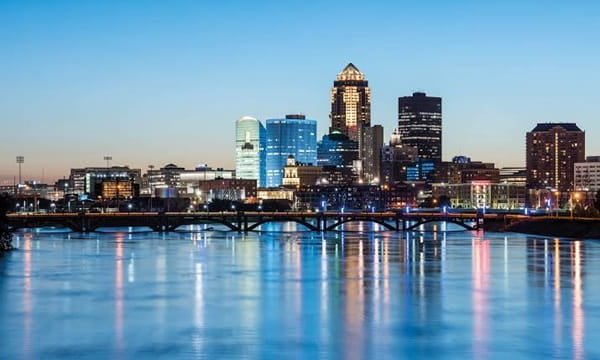
Des Moines is Iowa’s political and cultural centre. The city combines the State Capitol, museums, parks, neighbourhood restaurants and a growing arts scene. It works well as a first or last stop because it provides context before a rural road trip.
- Iowa State Capitol: Recognisable for its gold dome and useful for understanding state government and history.
- Pappajohn Sculpture Park: Brings large-scale contemporary art into a central urban setting.
- East Village: Offers historic architecture, independent businesses and dining close to downtown.
8. College Towns, Cycling and Local Culture
Iowa’s university towns add youthful energy to the state’s rural image. Iowa City and Ames support arts, sports, bookstores and food scenes, while statewide cycling traditions bring another distinctive element to summer travel.
- Iowa City: Known for the University of Iowa and a literary culture shaped by the Iowa Writers’ Workshop.
- Ames: Home to Iowa State University and a strong science and agricultural research presence.
- RAGBRAI: The annual cross-state bicycle ride is a major tradition, with host towns changing each year.
Frequently Asked Questions
Q. Is Iowa interesting for travellers who are not focused on farming?
Yes. River towns, the Loess Hills, the Amana Colonies, art museums, baseball history, college towns and scenic byways provide a much broader experience than agriculture alone.
Q.When should I visit the Iowa State Fair?
The fair is held in August. If it is a priority, book accommodation well ahead and expect larger crowds in Des Moines. If you prefer quieter travel, other seasons are better for exploring the state at a slower pace.
Q. Is Iowa flat everywhere?
No. Large parts are gently rolling, and the Loess Hills in western Iowa contain steep ridges. The Mississippi River bluffs in the east also create more dramatic relief than many visitors expect.
Q. Can I explore Iowa without renting a car?
A city stay in Des Moines or Iowa City can be manageable without one, but most signature attractions are spread across rural areas. A car is the practical choice for a multi-destination trip.
Q. What should I check before visiting the Field of Dreams site?
Look at the official event calendar and current access arrangements. Special games, festivals or private events can affect parking and visitor access, especially during summer.