Wyoming is known for Yellowstone National Park, the Grand Tetons, geysers, abundant wildlife, rodeos, ranching and wide-open Western landscapes. It is the least populous U.S. state, and long stretches of road pass through mountains, high desert and plains with relatively few towns.
For most visitors, northwestern Wyoming is the main draw, but the Cowboy State extends far beyond Yellowstone and Jackson. Historic trails, hot springs, fossil sites, ranch towns and Devils Tower show how much of Wyoming’s character lies outside the two famous national parks.
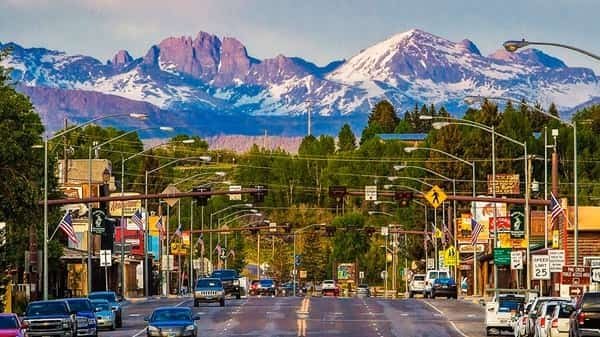
Wyoming at a Glance
| Detail | Information |
| Location | Mountain West region of the western United States |
| Capital | Cheyenne |
| Nickname | The Equality State / Cowboy State |
| Major visitor draws | Yellowstone, Grand Teton, geysers, wildlife, rodeos, ranching, Devils Tower and open landscapes |
1. Yellowstone National Park
Yellowstone is Wyoming’s best-known destination and the world’s first national park. Most of the park lies in Wyoming, protecting geysers, hot springs, canyons, lakes and one of North America’s greatest large-wildlife ecosystems. The park is enormous, so visitors should group sights by area rather than repeatedly crossing the same long distances between geyser basins and wildlife valleys.
- Old Faithful: The park’s most famous geyser, surrounded by a much larger hydrothermal basin worth exploring on boardwalks.
- Grand Prismatic Spring: Known for intense color created by heat-loving microorganisms around the hot spring.
- Grand Canyon of the Yellowstone: Offers waterfalls and dramatic yellow-toned canyon walls.
2. Grand Teton and Jackson Hole
Grand Teton National Park protects a sharp mountain range that rises directly from the Jackson Hole valley. The scenery is more compact than Yellowstone’s and is especially suited to hiking, lake trips and mountain photography. Sunrise and early evening light are particularly dramatic on the Teton Range, while midday is often better for lake activities and lower-elevation walks.
- Jenny Lake: A popular base for boat rides and trails beneath the Tetons.
- Jackson: A visitor hub with restaurants, galleries and strong links to skiing and ranch tourism.
- Wildlife: Moose, elk, bears and other animals may appear in the valley; keep safe distances at all times.
3. Geysers, Hot Springs and Geology
Wyoming’s volcanic and geothermal features are among the most unusual landscapes in the United States. Yellowstone contains more than 10,000 hydrothermal features, but hot-spring culture is also visible outside the park. Hydrothermal features constantly change as underground plumbing shifts, which is why closures and boardwalk reroutes occasionally become necessary.
- Yellowstone geyser basins: Boardwalks protect both visitors and fragile thermal ground.
- Hot Springs State Park: Thermopolis combines mineral springs with a town known for geology and paleontology.
- Safety: Never leave designated paths in thermal areas; crusts can be thin above dangerously hot water.
4. Cowboy Culture, Ranches and Rodeos
Wyoming’s Cowboy State image is not merely historical. Ranching, rodeo, horse culture and agricultural communities remain part of modern life across the state. Rodeo traditions vary from community competitions to major professional events, but all reflect the practical skills associated with horse and cattle work.
- Cheyenne Frontier Days: One of the best-known rodeo and Western festivals in the United States.
- Cody: Strongly associated with Buffalo Bill history, museums and summer rodeo culture.
- Guest ranches: Offer horseback riding and ranch stays ranging from rustic to luxury.
5. Wildlife and Open Range
Wyoming’s low population and large protected areas support major wildlife populations. Elk, pronghorn, bison, moose, grizzly bears and wolves are among the animals visitors hope to see, particularly in the Greater Yellowstone region. Spring and autumn migrations can move large numbers of animals across valleys and highways, creating both exceptional viewing and driving hazards.
- Lamar Valley: A celebrated Yellowstone wildlife area, especially for large mammals.
- National Elk Refuge: Near Jackson, protects important winter range for elk and other wildlife.
- Road awareness: Pronghorn, deer and other animals frequently cross highways, especially near dawn and dusk.
6. Devils Tower and Northeastern Wyoming
Devils Tower rises dramatically above the plains and pine forests of northeastern Wyoming. It was designated the first U.S. national monument in 1906 and holds deep cultural significance for several Native nations. Several Plains tribes regard the formation as sacred, making respectful behavior around ceremonies and prayer bundles especially important.
- Tower Trail: An accessible loop around the base provides changing views of the formation.
- Climbing: The tower is famous among climbers, but visitors should respect cultural requests and seasonal guidance.
- Black Hills connection: Devils Tower can fit naturally into a wider road trip with South Dakota’s Black Hills.
7. Historic Trails and Western Migration
Wyoming sits across routes used by Indigenous peoples, fur traders and later emigrants traveling the Oregon, California and Mormon trails. Forts, ruts and landmarks remain visible along parts of those routes. Trail landmarks also reveal how difficult overland travel was before modern roads, particularly where steep grades, river crossings and scarce water shaped routes.
- Fort Laramie: A major historic site connected with migration, the U.S. military and Plains history.
- Independence Rock: A well-known landmark for nineteenth-century emigrant wagon trains.
- Trail history: Good interpretation also addresses how U.S. expansion affected Native nations and treaty lands.
8. Fossils, High Desert and Lesser-Known Landscapes
Wyoming’s geology is not limited to Yellowstone. Fossil beds, high desert basins and mountain ranges create quieter attractions for travelers willing to leave the main park corridor. These quieter regions can be excellent choices in peak summer when the famous northwestern parks are crowded and lodging costs are highest.
- Fossil Butte National Monument: Preserves exceptionally detailed fossils from an ancient lake ecosystem.
- Bighorn Mountains: Offer scenic drives, hiking and a cooler mountain environment between central and northern Wyoming.
- Wind River region: Combines mountains, outdoor recreation and communities near the Wind River Reservation.
Frequently Asked Questions
Q. Can I visit Yellowstone and Grand Teton in the same trip?
Yes. They are neighboring parks and combine naturally, but each deserves more than a few hours. Four to six days gives a much better introduction than trying to rush both in one or two days.
Q. Do I need a car in Wyoming?
For most trips, yes. Distances are large and public transport between parks, ranch towns and historic sites is limited. Winter conditions and long gaps between services also make route planning, fuel stops and weather checks more important than on a typical city trip.
Q. When is the best time to visit Yellowstone?
Summer offers the widest road access but also the largest crowds. Late spring and early autumn can be quieter, though snow and seasonal closures remain possible. Winter is a specialized experience with restricted access.
Q. Is wildlife easy to see?
Wyoming offers excellent wildlife opportunities, especially in Yellowstone and Jackson Hole, but sightings are never guaranteed. Use binoculars, obey distance rules and never approach bears or bison.
Q. What is worth seeing outside Yellowstone and Grand Teton?
Devils Tower, Cody, the Bighorn Mountains, Fort Laramie, Thermopolis and Fossil Butte all reveal different sides of the state and can anchor separate road-trip routes. Travelers who add one of these regions usually get a better sense of Wyoming as a working Western state rather than only a gateway to two famous parks.