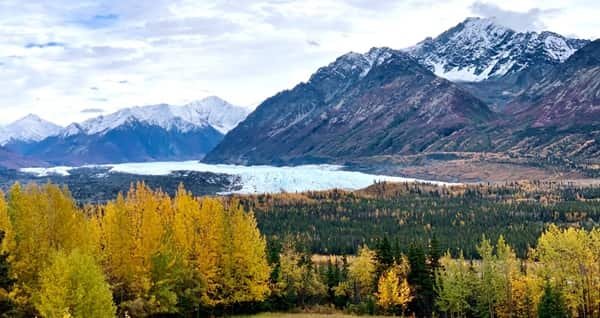
New Hampshire is known for the White Mountains, brilliant fall foliage, clear lakes, covered bridges, skiing and a strong outdoor culture. The state is compact, but its landscape changes quickly from the Atlantic seacoast to forested hills, lake country and some of the highest mountains in New England.
For visitors, New Hampshire is especially rewarding as a road-trip state. Scenic highways, historic towns and trailheads can be combined easily, though mountain weather can change quickly. Autumn is famous, but summer lake trips and winter skiing give the Granite State a strong year-round identity.
| Detail | Information |
| Location | New England in the northeastern United States |
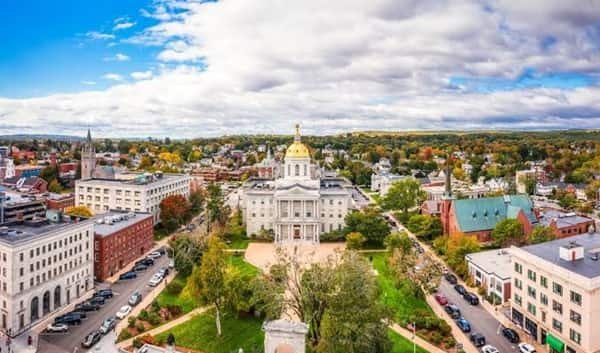
| Capital | Concord |
| Nickname | The Granite State |
| Major visitor draws | White Mountains, fall foliage, lakes, covered bridges, skiing, Mount Washington and small towns |
1. The White Mountains and Mount Washington
The White Mountains dominate New Hampshire’s outdoor image. Their steep valleys, rocky summits and long-distance trails attract hikers, sightseers and winter travelers, while Mount Washington stands as the highest peak in the northeastern United States. The Appalachian Mountain Club has a long presence in the region, and mountain huts and trail networks have shaped hiking culture for generations.
- Mount Washington: Reachable by hiking, the Auto Road or the historic Cog Railway, depending on season and conditions.
- Franconia Notch: A mountain pass with trails, lakes, viewpoints and major state-park attractions.
- Presidential Range: Known for demanding alpine hiking and rapidly changing weather above treeline.
2. Fall Foliage and Scenic Drives
Autumn transforms New Hampshire’s hardwood forests into one of the state’s most photographed attractions. Peak color does not arrive everywhere at once; it generally appears earlier in the north and at higher elevations before moving south. Foliage weekends can produce heavy traffic on famous routes, so staying overnight in one area often works better than chasing color across the state.
- Kancamagus Highway: A classic White Mountains drive with overlooks, trailheads and river stops.
- North Conway: A popular base for foliage drives, shopping and mountain activities.
- Check live reports: Weather affects timing, so current foliage trackers are more useful than fixed annual dates.
3. Lakes Region and Lake Winnipesaukee
New Hampshire’s lakes are central to summer life. Lake Winnipesaukee is the largest and best known, surrounded by towns, marinas, beaches and wooded hills. Smaller lakes and ponds create quieter alternatives for paddling, swimming and cabin stays. The Lakes Region also supports historic cruise boats and lakeside towns, giving non-boaters plenty to do during the warmer months.
- Lake Winnipesaukee: Popular for boating, cruises, fishing and waterfront towns such as Meredith and Wolfeboro.
- Squam Lake: Known for a more natural, less developed setting and wildlife-oriented experiences.
- Water activities: Summer weekends can be busy, so book boats, accommodation and popular campgrounds early.
4. Skiing and Winter Recreation
Cold winters and mountainous terrain make New Hampshire one of New England’s established ski destinations. Resorts range from family-focused hills to larger mountain areas, while cross-country skiing, snowshoeing and snowmobiling broaden the winter experience. Winter weather can affect mountain roads quickly, making snow tires, flexible timing and current road reports important for drivers.
- Bretton Woods: A major ski area near Mount Washington and the historic grand hotel region.
- Loon Mountain: Popular for downhill skiing and a convenient base near Lincoln.
- Cannon Mountain: Known for steeper terrain and dramatic scenery in Franconia Notch.
5. Covered Bridges and Small-Town New England
Covered bridges, village greens, white churches and historic main streets contribute to New Hampshire’s classic New England image. These features are spread across the state rather than concentrated in one tourist district, which makes slow road trips especially rewarding. Many bridges survive because communities maintain them as historic structures, not because covered bridges are still the most efficient form of road crossing.
- Jackson: Known for its covered bridge, mountain setting and easy access to the northern White Mountains.
- Henniker and other river towns: Offer local shops, historic buildings and quieter scenery away from major resort areas.
- Bridge etiquette: Many covered bridges are narrow or weight-restricted, so follow signs rather than assuming every bridge carries normal traffic.
6. A Short but Scenic Atlantic Coast
New Hampshire has only a small stretch of Atlantic coastline, yet it adds beaches, seafood and historic Portsmouth to a state better known for mountains. The coast feels very different from the interior and can be combined with southern New Hampshire in a short trip. Portsmouth’s working harbor and nearby naval history add a maritime layer that contrasts with the mountain image most travelers associate with New Hampshire.
- Hampton Beach: The state’s best-known beach resort area, with a broad sandy shore and seasonal entertainment.
- Portsmouth: A walkable historic port city with preserved architecture, museums and a strong dining scene.
- Odiorne Point: Offers coastal walking, rocky shoreline and views across the seacoast landscape.
7. Granite, Local History and Independent Identity
The Granite State nickname comes from New Hampshire’s extensive granite formations and quarrying history. The state also has a long civic tradition tied to town government, early American history and a strong cultural preference for local independence.
- Concord: The capital provides state-government landmarks and a compact downtown.
- Strawbery Banke Museum: In Portsmouth, preserved buildings interpret several centuries of neighborhood life.
- Historic mills: Manchester and other river cities reflect New England’s industrial past as well as its rural image.
8. Hiking, the Appalachian Trail and Outdoor Culture
New Hampshire contains one of the most demanding sections of the Appalachian Trail. Hiking is deeply woven into the state’s travel identity, from short waterfall walks to exposed ridgelines where weather and terrain require preparation.
- Appalachian Trail: Crosses the White Mountains, including high-elevation terrain that can feel alpine even in summer.
- Waterfall walks: Shorter routes around the White Mountains provide alternatives for families and casual hikers.
- Prepare for weather: Carry layers, water and navigation tools even when valley conditions appear mild.
Frequently Asked Questions
Q. When does fall foliage usually peak in New Hampshire?
Peak color typically moves from the Great North Woods southward. The White Mountains often become colorful in early October, while southern and coastal areas can peak later. Check the state’s current foliage tracker before traveling.
Q. Can I visit Mount Washington without hiking to the summit?
Yes. Depending on season and operations, visitors can use the Mount Washington Auto Road or the Cog Railway. Conditions at the summit can be much colder and windier than in the valley.
Q. Is New Hampshire easy to explore without a car?
Portsmouth and parts of Manchester or Concord can be visited without one, but a car is far more practical for mountain drives, lakes, trailheads and smaller towns.
Q. How long should I allow for the Kancamagus Highway?
Do not treat it as a quick through-road. Stops at overlooks, short trails and river areas can turn the drive into a half-day or longer, especially during peak foliage traffic.
Q. Is summer or winter better for a first visit?
Summer is easier for hiking, lakes and road trips, while winter suits travelers focused on skiing and snow activities. Autumn offers famous scenery but also the highest demand in many mountain towns.