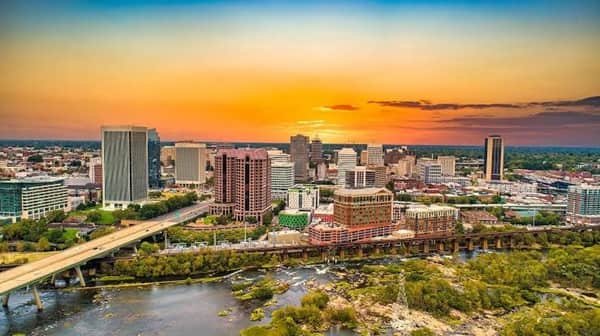
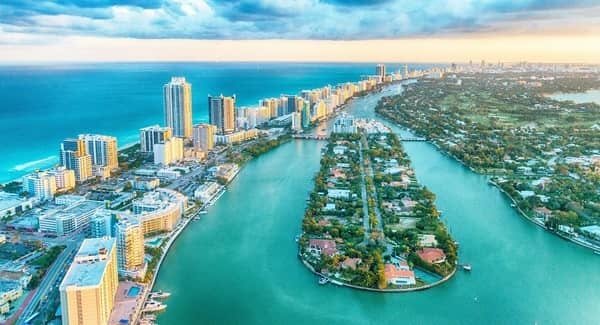
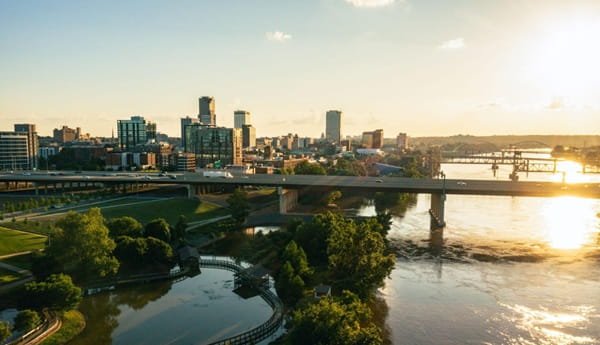
South Carolina is known for Charleston’s historic streets, Atlantic beaches, Lowcountry culture, golf, barbecue, and the Gullah Geechee traditions of the Sea Islands. The state is compact enough for a varied road trip, yet its landscapes change noticeably from the tidal marshes around Charleston and Beaufort to the Midlands and the Blue Ridge foothills near Greenville.
For visitors, the coast receives most of the attention, but South Carolina is more rewarding when history, culture, food, and nature are considered together. Charleston and the beach resorts show one side of the state; Congaree’s floodplain forest, Revolutionary War sites, and Upstate mountain scenery show another. A balanced itinerary leaves room for both famous places and the communities that give them context.
1. Charleston and Historic Lowcountry Streets
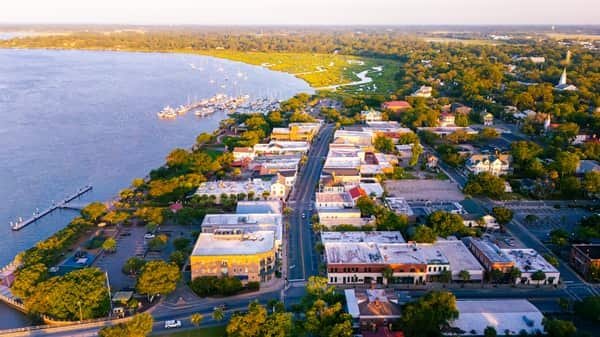
Charleston is South Carolina’s best-known historic city, shaped by its role as a colonial port, the wealth created by slavery and plantation agriculture, the American Revolution, the Civil War, and later preservation. Today, visitors come for architecture, churches, waterfront views, museums, and an influential restaurant scene.
- Historic district: Walking is one of the best ways to notice Charleston’s narrow streets, houses, gardens, churches, and harbour setting.
- Fort Sumter: The harbour fort is closely associated with the opening of the Civil War and is reached by boat from designated departure points.
- Museums and historic houses: Choose sites that provide strong interpretation rather than trying to enter every preserved building in one day.
2. Myrtle Beach, Hilton Head and Atlantic Beaches
South Carolina’s coast is a major holiday destination, but its beach areas have different personalities. Myrtle Beach and the wider Grand Strand are known for family entertainment, golf, restaurants, and a busy resort atmosphere.
- Myrtle Beach: A practical choice for families who want a beach combined with attractions and evening entertainment.
- Hilton Head Island: Known for long beaches, cycling paths, golf, and a more resort-oriented atmosphere.
- Charleston-area beaches: Folly Beach, Sullivan’s Island, and Isle of Palms can be combined with a city stay, though traffic and parking deserve advance thought in peak season.
3. Gullah Geechee Heritage
The Gullah Geechee people are descendants of Africans who were enslaved on the coastal plantations and Sea Islands of the southeastern United States. In South Carolina, their language, foodways, spiritual traditions, music, storytelling, and sweetgrass basketry have had a lasting influence on Lowcountry culture.
- Sea Islands and Lowcountry communities: Places around Beaufort, Charleston, and the coast provide opportunities to learn about Gullah Geechee history through museums, tours, cultural centres, and community events.
- Sweetgrass basketry: The basket tradition has West African roots and remains visible around Mount Pleasant and other Lowcountry communities.
- Choose respectful interpretation: Look for experiences led by knowledgeable local guides, cultural organisations, or museums that centre Gullah Geechee voices.
4. Lowcountry Food and South Carolina Barbecue
South Carolina’s food traditions reflect the coast, rice culture, African influences, farming, and regional barbecue practices. Lowcountry dishes often feature shrimp, oysters, rice, okra, and local seafood, while barbecue varies across the state in meat, sauce, and preparation.
- Shrimp and grits: Now widely associated with Southern dining, the dish has strong Lowcountry connections and appears in many Charleston-area restaurants.
- Barbecue: Different parts of South Carolina use vinegar-pepper, mustard-based, tomato-based, and other sauce traditions, so there is no single statewide style.
- Seasonal seafood: Oysters, shrimp, and local catches are best approached with attention to season and source rather than simply ordering the most familiar dish.
5. Golf from the Coast to the Upstate
South Carolina has built a major golf tourism industry, with hundreds of courses across the state. The best-known concentrations are around Myrtle Beach and Hilton Head Island, but courses also appear near Charleston, Columbia, and the Upstate.
- Hilton Head Island: Harbour Town Golf Links and other island courses give the area an international golf profile.
- Myrtle Beach: The Grand Strand has a large concentration of courses at different price points and difficulty levels.
- Book tee times: Popular courses can fill quickly during favourable spring and autumn weather, especially around major events and holiday weekends.
6. Congaree National Park and Floodplain Forest
Congaree National Park protects a remarkable old-growth bottomland hardwood forest near Columbia. Its environment is very different from South Carolina’s beaches: huge trees, wetlands, sloughs, and seasonal flooding shape the landscape.
- Boardwalk Loop: A straightforward way to experience the forest without committing to a long backcountry hike.
- Canoeing and kayaking: Water routes can reveal the floodplain from a different perspective, but water level and weather affect conditions.
- Mosquitoes and flooding: Warm-season insects can be intense, and some trails may be affected by high water. Check park conditions before travelling.
7. Revolutionary War and Early American History
South Carolina saw extensive fighting during the American Revolution, and several important battlefields are preserved today. Visiting these places adds context to the state’s colonial history and shows that the war in the South involved local communities, militia, regular armies, and shifting loyalties across a broad landscape.
- Cowpens National Battlefield: Interprets a major 1781 American victory in the Upstate.
- Kings Mountain National Military Park: Near the North Carolina line, the park preserves the setting of an important 1780 battle.
- Camden area: Historic sites and museums around Camden help explain the Southern campaigns and the state’s strategic importance.
8. Greenville and the Blue Ridge Foothills
The Upstate provides a different picture of South Carolina from the coast. Greenville has developed a walkable downtown around the Reedy River, while nearby roads climb toward state parks, waterfalls, and Blue Ridge views.
- Falls Park on the Reedy: A central Greenville park where the river and waterfall sit directly beside downtown streets and restaurants.
- Caesars Head State Park: Known for mountain viewpoints and access to hiking in the Blue Ridge escarpment.
- Table Rock State Park: A popular Upstate destination for hiking, lake scenery, and views of the granite mountain that gives the park its name.
Frequently Asked Questions
Q. Can I combine Charleston and a beach holiday in the same trip?
Yes. Charleston is close to several beaches, making it easy to split a stay between history and the coast.
Q. Do I need a car in South Carolina?
Charleston’s historic core and parts of Greenville are walkable, but a car is useful for beaches, golf courses, Congaree National Park, Revolutionary War sites, and trips between regions. Parking can be difficult in busy coastal areas, so check accommodation and beach access arrangements.
Q. What should I know about hurricane season?
The Atlantic hurricane season runs through the warmer half of the year, with risk varying from season to season. Coastal travellers should monitor official forecasts, understand cancellation policies, and follow evacuation or safety instructions if a storm threatens.
Q. How can I learn about Gullah Geechee culture respectfully?
Choose museums, cultural centres, community events, and tours that involve Gullah Geechee historians, artists, or guides. Treat traditions such as basketry, language, food, and music as parts of a living culture rather than as decorative additions to a beach trip.
Q. When is South Carolina most comfortable for outdoor sightseeing?
Spring and autumn often bring milder temperatures for walking, golf, and park visits. Summer suits beach holidays but can be hot and humid, with thunderstorms and heavy insect activity in wetlands.