Montana is known for Glacier National Park, access to Yellowstone, vast mountain scenery, ranching, wildlife, trout rivers and the enormous horizons behind its Big Sky Country image. Western Montana is dominated by the Rockies, while the central and eastern parts open into plains, badlands and rolling ranch country.
The state’s scale is part of its appeal and also its main planning challenge. Glacier and Yellowstone sit far apart, and many memorable places lie between them. A strong Montana itinerary usually focuses on one region or accepts that long drives are part of the experience.
| Detail | Information |
| Location | Northern Rocky Mountain and Great Plains region of the western United States |
| Capital | Helena |
| Nickname | The Treasure State / Big Sky Country |
| Major visitor draws | Glacier and Yellowstone, mountain landscapes, ranching, wildlife, fly-fishing, skiing and wide-open roads |
1. Glacier National Park and the Northern Rockies
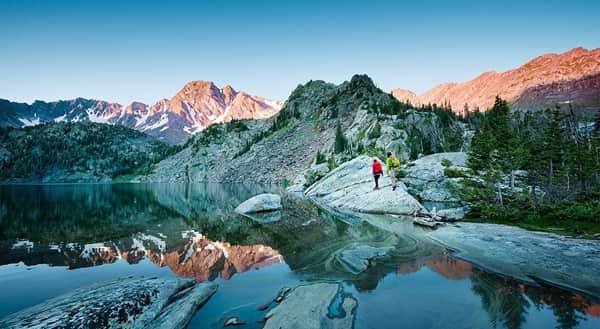
Glacier National Park is Montana’s signature mountain destination, protecting sharp peaks, glacial valleys, alpine lakes and large areas of wilderness along the Canadian border. The scenery is dramatic, but access is highly seasonal because snow can linger well into the year. Glacier’s eastern and western sides differ in climate and scenery, so visitors who cross the park experience more than a single mountain landscape.
- Going-to-the-Sun Road: Crosses the park’s mountainous interior and is one of America’s most celebrated scenic roads when fully open.
- Many Glacier: Known for high peaks, lakes and some of the park’s most popular hiking routes.
- Weather planning: Even summer days can turn cold or stormy at high elevation, so carry layers and check conditions.
2. Yellowstone Country and the Park Gateways
Southwestern Montana forms part of the Greater Yellowstone region. Although most of Yellowstone National Park lies in Wyoming, Montana has important gateways and landscapes closely connected to the park’s wildlife, rivers and geothermal country. Bozeman and Livingston provide useful bases for this region without requiring travelers to stay inside or immediately beside Yellowstone.
- West Yellowstone: A major western gateway with visitor services and quick access to park roads.
- Gardiner: Sits near the park’s north entrance and the historic Roosevelt Arch.
- Paradise Valley: Follows the Yellowstone River between Livingston and the park, with ranches, mountains and hot-spring areas.
3. Big Sky Landscapes and Scenic Road Trips
Montana’s nickname fits the sense of distance and openness travelers experience across the state. Roads run through mountain passes, high plains and wide valleys where towns may be far apart and weather can change quickly. Road-trip time should include wildlife delays, construction and photo stops, not only the distance shown by a navigation app.
- Beartooth Highway: A high-elevation route with dramatic mountain views and strong seasonal limits.
- Seeley-Swan Valley: Links lakes, forests and quieter mountain communities in western Montana.
- Fuel planning: In remote areas, fill up before long stretches and download maps where mobile coverage may be weak.
4. Ranching, Rodeos and Western Culture
Cattle ranching and horse culture remain visible parts of Montana life, especially outside the larger cities. Rodeos, working ranches, county fairs and historic towns give visitors ways to see Western traditions as living culture rather than only a movie image. Modern ranching communities also face questions about land use, conservation and development, which makes the Western landscape a working one rather than a museum piece.
- Dude and guest ranches: Offer horseback riding and ranch-based stays at different comfort levels.
- Rodeos: Seasonal events range from small community competitions to major gatherings.
- Livingston and Miles City: Towns with strong links to ranching, rail and Western history.
5. Wildlife and Wide-Open Habitat
Montana supports large mammals and extensive habitat, from grizzly country in the mountains to bison, elk and pronghorn on open landscapes. Wildlife viewing can be exceptional, but distance and food-storage rules are essential for safety. Wildlife corridors extend beyond park boundaries, so careful driving matters on ordinary highways as well as inside protected areas.
- Glacier and Yellowstone regions: Offer chances to see bears, elk, mountain goats and other large wildlife.
- National Bison Range: Protects important grassland habitat and offers a strong bison-viewing experience.
- Bear country: Carry and know how to use bear spray where recommended, and never approach animals for photographs.
6. Fly-Fishing and Famous Rivers
Cold, clear rivers have made Montana internationally known for trout fishing. The sport is tied closely to conservation, public access debates and rural tourism, and many towns support guides, fly shops and river-based businesses. Catch-and-release practices are common on some waters, and seasonal restrictions may be introduced when rivers become too warm for trout.
- Madison River: One of the best-known trout rivers in the Yellowstone region.
- Gallatin and Yellowstone rivers: Combine fishing with mountain scenery and convenient access from towns.
- Licenses and rules: Regulations vary by water and season, so check current state fishing requirements before casting.
7. Skiing, Mountain Towns and Winter
Montana is also a major winter destination. Ski resorts, cross-country trails, snowmobiling and hot springs give mountain communities a different character after summer visitors leave, though winter driving requires more preparation.
- Big Sky: A large year-round mountain resort near the Yellowstone region.
- Whitefish: Combines a walkable town with access to skiing and the Glacier National Park region.
- Bridger Bowl: A well-known ski area close to Bozeman with a strong local following.
8. Native History, Lewis and Clark and Historic Sites
Montana’s history includes the homelands of multiple Indigenous nations, the Lewis and Clark expedition, fur trade, mining, ranching and conflict during U.S. westward expansion. Responsible travel means treating these histories as complex and continuing rather than as a single frontier story.
- Little Bighorn Battlefield: Interprets the 1876 battle and the people involved from multiple perspectives.
- First Peoples Buffalo Jump: Preserves one of North America’s largest known buffalo-jump sites.
- Tribal communities: Cultural centers and public events can provide Native-led perspectives when visitors follow local protocols.
Frequently Asked Questions
Q. Can I see Glacier and Yellowstone on one Montana trip?
Yes, but they are far apart. Allow at least a week and expect substantial driving, or give each region its own trip if you prefer more hiking and less time on the road.
Q. Do I need a car in Montana?
For most leisure trips, yes. Public transport between parks, rural towns and trail areas is limited, and a vehicle gives far more flexibility.
Q. When do high mountain roads usually open?
Dates depend on snow and weather rather than a fixed calendar. Roads such as Going-to-the-Sun Road and the Beartooth Highway can remain partly closed into the warmer season, so check official road status shortly before travel.
Q. Is Montana a good place for wildlife viewing?
Yes, especially around Glacier, Yellowstone Country and protected grasslands. View animals from a safe distance, never feed them and follow bear-safety guidance in mountain areas.
Q. Which Montana city is best as a first base?
Bozeman works well for Yellowstone Country and mountain recreation, Missoula for western Montana, and Whitefish for Glacier. The right base depends more on your target region than on city size.