Utah is known for red-rock national parks, deep canyons, desert arches, powder skiing, Salt Lake City and a strong outdoor culture. Sandstone cliffs and hoodoos dominate the south, while the Wasatch Range brings alpine scenery and major ski areas to the north. Hiking, scenic driving, stargazing, mountain biking and winter sports all shape the way visitors experience the state.
For a first trip, think of Utah as two broad regions: southern red-rock country and northern cities, mountains and the Great Salt Lake. Covering both quickly can feel rushed, so choose a region and build the journey around a few places rather than a long list of photo stops.
Utah at a Glance
| Detail | Information |
| Location | Western United States |
| Capital | Salt Lake City |
| Nickname | The Beehive State |
| Major visitor draws | Mighty 5 national parks, red-rock scenery, skiing, Salt Lake City, scenic drives and dark skies |
1. The Mighty 5 National Parks
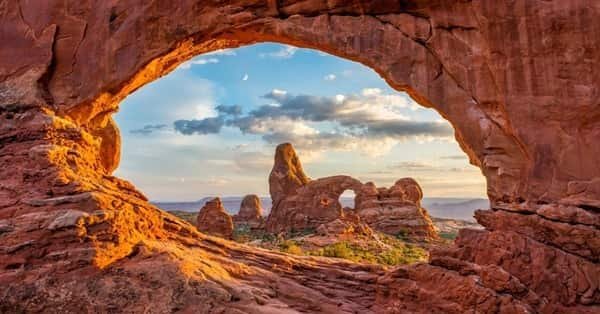
Utah’s five national parks are a major reason travellers visit. Each protects a different desert landscape: Zion has towering canyon walls, Bryce Canyon fields of hoodoos, Arches natural stone openings, Canyonlands vast mesas and river-cut canyons, and Capitol Reef the long Waterpocket Fold.
- Zion National Park: Famous for Zion Canyon, high cliffs and routes ranging from riverside walks to strenuous hikes.
- Bryce Canyon National Park: Best known for its amphitheatres filled with orange, pink and white hoodoos.
- Arches National Park: Protects more than 2,000 documented natural stone arches and a landscape of fins and balanced rocks.
- Canyonlands and Capitol Reef: Reward travellers who want broader desert views, quieter roads and a stronger sense of scale.
2. Red-Rock Road Trips and Scenic Drives
Utah is particularly rewarding from the road because the scenery changes quickly between plateaus, canyons and open desert. Many scenic highways are attractions in their own right, linking overlooks, short trails and small towns between the parks.
- Scenic Byway 12: Links red-rock country around Bryce Canyon, Grand Staircase-Escalante and Capitol Reef.
- Moab area: A practical base for Arches, Canyonlands, the Colorado River corridor and nearby off-road recreation.
- Grand Staircase-Escalante: Offers remote canyon country where road conditions and fuel planning deserve extra attention.
3. Skiing and the Wasatch Mountains
Northern Utah is known nationally for skiing and snowboarding. Resorts sit surprisingly close to the Salt Lake City metropolitan area, making it possible to combine an urban stay with mountain days. The Wasatch receives abundant winter snow, and resort towns range from large, polished destinations to smaller areas with a more local atmosphere.
- Park City: Combines a historic mining-town centre with a large ski destination, restaurants and year-round events.
- Little and Big Cottonwood Canyons: Give access to several major ski areas close to Salt Lake City.
- Summer in the Wasatch: Hiking, mountain biking and scenic chairlift experiences keep the mountain towns active after ski season.
4. Salt Lake City and Mormon Pioneer History
Salt Lake City is Utah’s largest urban centre and an important part of the state’s history. It was established by Mormon pioneers in the nineteenth century and remains closely associated with The Church of Jesus Christ of Latter-day Saints. Visitors also find museums, restaurants, performing arts and easy access to mountain recreation.
- Temple Square area: Central to the city’s religious and pioneer history; individual buildings may have changing access during renovation projects.
- Utah State Capitol: Offers views over the city and helps place Utah’s political history in context.
- City Creek and downtown: Make it easy to combine historic sites, dining and urban walking without a long drive.
5. Great Salt Lake and Unusual Salt Landscapes
The Great Salt Lake gives northern Utah a landscape unlike the state’s red-rock south. Its high salinity, broad shoreline and importance to migratory birds make it both a natural landmark and an ecological story. Water levels and shoreline access can vary significantly, so the experience changes by season and location.
- Antelope Island State Park: One of the best-known places to see lake views, wildlife and open grassland landscapes.
- Spiral Jetty: Robert Smithson’s famous earthwork lies on the lake’s remote northeastern shore and requires careful road planning.
- Bonneville Salt Flats: West of Salt Lake City, the bright salt crust recalls the enormous prehistoric Lake Bonneville.
6. Dark Skies and Stargazing
Utah’s sparse population across large desert areas creates excellent conditions for seeing the night sky. Several parks and communities promote dark-sky protection, adding another reason to stay after sunset rather than treating the parks only as daytime destinations. Clear nights can reveal the Milky Way with far less light pollution than visitors from large cities are used to.
- Bryce Canyon and Capitol Reef: Popular for ranger-led astronomy activities when programmes are scheduled.
- Remote southern Utah: Offers strong stargazing potential, but travellers should carry layers because desert temperatures can fall quickly after dark.
- Photography: A tripod and red-light torch can be useful without disturbing other visitors’ night vision.
7. Outdoor Adventure Beyond the National Parks
Utah’s outdoor reputation extends far beyond its five national parks. Public lands support mountain biking, rafting, climbing, canyoneering and off-road travel, while northern mountains add lakes and forest trails. The variety lets visitors build a trip around one activity rather than sightseeing only from the car.
- Moab: Internationally associated with slickrock mountain biking and desert trail systems.
- Colorado River: Guided rafting and calmer float trips are available in sections around Moab and farther south.
- Canyoneering: Slot canyons require route knowledge, weather awareness and appropriate equipment; flash-flood risk is serious.
8. Native Cultures, Museums and Western Heritage
Utah’s history did not begin with pioneer settlement. Indigenous peoples have lived in the region for thousands of years, and archaeological sites, rock art and tribal communities are part of the state’s cultural landscape. Responsible travel means treating these places as cultural sites rather than simply scenic backgrounds.
- Natural History Museum of Utah: Provides accessible context on geology, fossils and human history before or after a road trip.
- Bears Ears region: Contains important cultural landscapes and archaeological sites; visitors should follow current access rules and leave artifacts untouched.
- Southern Utah towns: Local museums often explain pioneer, ranching and Indigenous history in ways that add meaning to nearby landscapes.
Frequently Asked Questions
Q. Can I visit all five Utah national parks in one week?
It is possible to drive a route through all five, but it leaves limited time for hiking and weather delays. A week works better when focused on three parks, or when the trip is designed mainly as a scenic road journey.
Q. Do I need a car to travel around Utah?
For Salt Lake City alone, a car is not essential for every activity. For southern Utah, national parks and scenic byways, a vehicle is usually the most practical option because public transport between major natural attractions is limited.
Q. What should I know about desert heat and flash floods?
Summer temperatures can be intense, while slot canyons may flood even when rain falls miles away. Carry ample water, avoid exposed midday activity when conditions are extreme, and check park weather alerts before entering narrow canyons.
Q. Is Utah only worth visiting in summer?
No. Spring and autumn often suit desert hiking, winter is central to the ski season, and southern Utah can be striking in colder months. Snow can close or complicate some mountain roads and trails, so conditions should guide the itinerary.
Q. Which Utah experiences may need advance planning?
Popular lodging, campsites, guided canyoneering, rafting, ski accommodation and some park access arrangements can fill early. Check the official page for each park or attraction close to your travel dates because reservation systems can change.